What is life after hiatal hernia surgery?

what is life expectancy after hiatal hernia surgery

Hiatal hernia surgery is often a transformative experience, marking the end of chronic symptoms like heartburn and chest pain. But what happens once the surgery is complete?

The journey to a new, symptom-free life begins with a structured recovery, and this comprehensive guide will walk you through the key phases—from the initial days of healing to long-term lifestyle changes—to help you navigate life after hiatal hernia surgery.

What is life after hiatal hernia surgery?

The immediate aftermath: The hiatal hernia surgery before and after

The immediate period after hiatal hernia surgery is focused on recovery and healing. Most patients undergo a minimally invasive laparoscopic procedure because it allows for a quicker recovery than traditional open surgery.

Following the procedure, you can expect to spend a day or two in the hospital while the medical team monitors your progress and ensures your comfort.

hiatal hernia surgery before and after

The most notable change you will experience in the first few days is a shift to a liquid diet. This is temporary but essential to the healing process, allowing the new surgical repair to settle without strain.

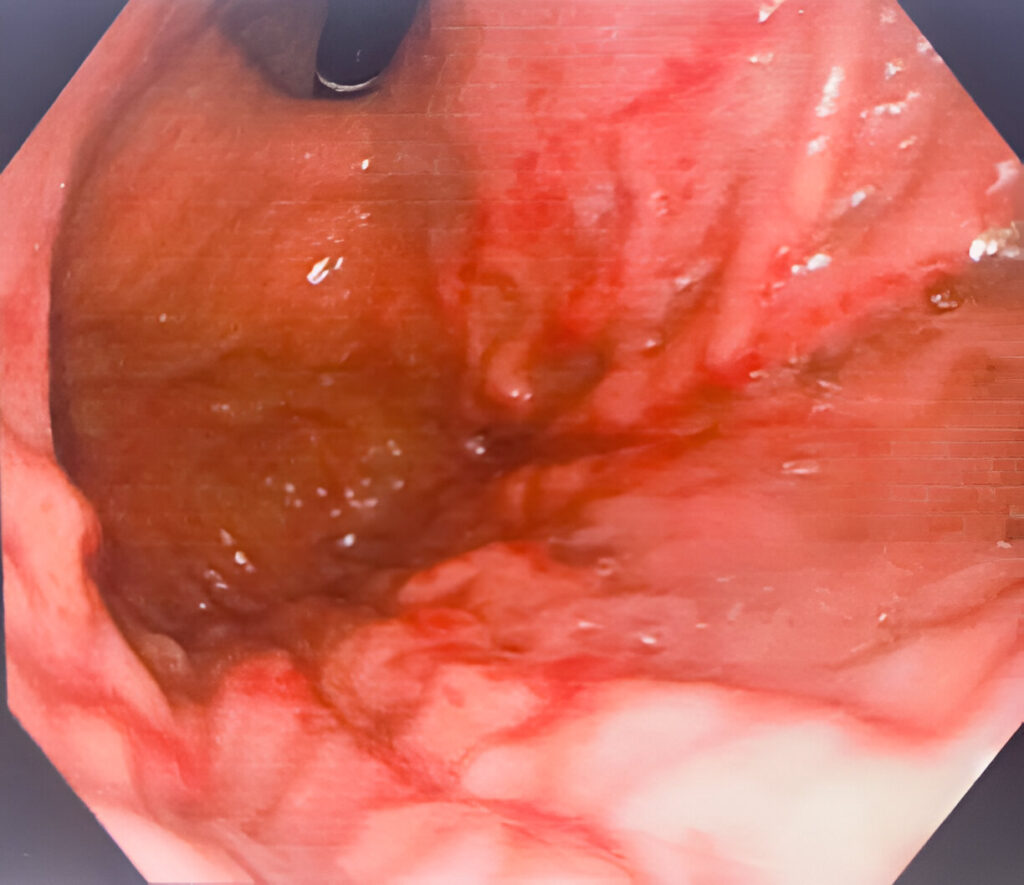
The transition from a life of constant heartburn, regurgitation, and chest discomfort to one of relief can be profound. Many patients describe the hiatal hernia before and after experience as a complete transformation, where symptoms that once dictated their daily activities are now gone.

The first few weeks of recovery involve a gradual transition from liquids to soft foods and then back to a regular diet. Patience is key during this phase.

Diet and nutrition: Navigating restrictions after hiatal hernia surgery

Dietary progression is one of the most significant aspects of life after hiatal hernia surgery. The body needs time to adjust to the new anatomical changes, and following a structured dietary plan is vital for a successful recovery and long-term success.

Phase 1 (Days 1-7): Clear liquids and liquids. Immediately after surgery, you will be on a liquid-only diet. This includes broth, juice, water, and protein shakes. This prevents strain on the surgical site.

Phase 2 (Weeks 2-4): Soft foods. You will gradually introduce soft, blended, or pureed foods. Think of scrambled eggs, yogurt, well-cooked vegetables, and soft fruits.

Phase 3 (Weeks 4-6): Solid foods. You can begin to reintroduce solid foods gradually. To avoid putting stress on the stomach, it is important to chew food well and consume small, frequent meals.

Following these restrictions after hiatal hernia surgery is not just about avoiding discomfort but protecting the surgical repair and ensuring its long-term integrity. 

While most pre-surgery dietary restrictions related to acid reflux will no longer be necessary, a healthy, balanced diet is always recommended to maintain your overall well-being.

Getting back to an active life: Exercise after hiatal hernia surgery

Returning to physical activity is a significant goal for many patients. The good news is that an active lifestyle is not just possible but encouraged for most. However, it is essential to follow a gradual return-to-exercise plan.

First 2-4 Weeks: Walking is your best friend. Gentle, regular walks are excellent for circulation and preventing complications.

Weeks 4-6: It is now safe to start light aerobic activities, including cycling on a stationary bike or using an elliptical machine.

After 6 Weeks: With your surgeon’s approval, you can gradually resume more strenuous activities, including lifting weights.

It’s important to avoid heavy lifting and core-straining exercises in the early stages, as they can put undue pressure on the abdominal muscles and the surgical site. Your surgeon will provide specific guidelines on exercise after hiatal hernia surgery, and it is crucial to adhere to them to ensure a safe and effective recovery.

A new outlook on weight and health

For many people, a hiatal hernia can be linked to being overweight or obese. In some cases, weight loss after hiatal hernia surgery becomes a natural and beneficial consequence of the dietary changes and improved ability to exercise.

A healthier weight can further reduce pressure on the diaphragm and stomach, reinforcing the surgical repair. The surgery itself is not a weight-loss procedure, but it often serves as a catalyst for healthier habits, simplifying the process of weight management and promoting overall well-being.

life after hiatal hernia surgery

The long-term outlook: Quality of life and life expectancy

What is life expectancy after hiatal hernia surgery?

The surgery itself does not have a direct impact on life expectancy. Instead, it aims to improve a patient’s quality of life after hiatal hernia surgery. By resolving chronic symptoms like severe GERD, a patient’s risk for complications such as esophagitis and Barrett’s esophagus is significantly reduced.

This leads to a life free from the daily worry of pain and discomfort, allowing them to eat, sleep, and live without the limitations they faced before. The long-term success of the surgery is overwhelmingly positive, with many patients reporting a drastic improvement in their well-being.

The hiatal hernia surgery before and after transformation can be seen in their ability to enjoy a variety of foods, sleep soundly, and participate in physical activities they once had to avoid. This return to normalcy is often described as feeling “repaired and restored,” a testament to the procedure’s life-changing nature.

Final thoughts: Your path to a better life

Deciding to undergo hiatal hernia surgery is a significant step toward reclaiming your health. The journey to life after hiatal hernia surgery is one of healing, discipline, and ultimately, great reward. Following your surgeon’s diet, exercise, and long-term care instructions can ensure the best possible outcome.

Dr Samir Rahmani and his team are committed to guiding you through every step of this process, from the initial consultation to your final follow-up. The goal is simple: To help you achieve a high quality of life after hiatal hernia surgery, allowing you to live without the pain and limitations a hiatal hernia can impose.

Ready to reclaim your health?

If you are living with the pain and limitations of a hiatal hernia, a lasting solution is within reach. Dr. Samir Rahmani, a highly reputable UK-trained Consultant Bariatric, Laparoscopic, and General Surgeon, along with his expert team, is dedicated to helping patients achieve a better quality of life after hiatal hernia surgery. With his extensive experience in minimally invasive procedures and patient-centered care, Dr. Samir ensures that every treatment plan is tailored for long-term results and improved well-being.

With 24+ advanced procedures, 10,000+ bariatric surgeries, and 5,000+ successful outcomes and 300+ verified 5-star Google reviews, Dr. Samir Rahmani has built a trusted reputation among patients seeking safe, effective, and evidence-based surgical care.

A pioneer in innovative surgical techniques, Dr. Samir specializes not only in hiatal hernia surgery but also in a wide range of treatments for weight-related health concerns such as diabetes, high blood pressure, high cholesterol, arthritis, sleep apnea, snoring, infertility, ovarian cysts, and more.

Schedule your consultation today and take the first step toward a healthier, symptom-free life with the guidance of surgeon patients across the UAE and beyond trust for excellence and compassionate care.

MORE ARTICLES