
Mounjaro Side Effects for Non-Diabetics: What Weight Loss Patients Need to Know
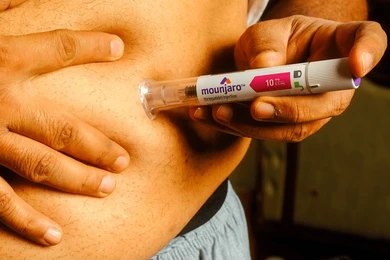
Mounjaro side effects for non-diabetics are similar to those experienced by diabetic patients, with gastrointestinal symptoms (nausea, diarrhea, constipation) being most common. Non-diabetic weight loss patients have a lower risk of hypoglycemia but may experience more pronounced appetite suppression. Clinical trials (SURMOUNT studies) showed side effects were generally mild to moderate and decreased over time.
As a bariatric surgeon in Dubai offering comprehensive weight loss solutions, I help non-diabetic patients understand what to expect from Mounjaro treatment and how to optimize their results while minimizing discomfort.
Can Non-Diabetics Take Mounjaro for Weight Loss?
Yes, Mounjaro (tirzepatide) is FDA-approved for chronic weight management in non-diabetic adults with a BMI of 30 or higher, or a BMI of 27 or higher with at least one weight-related health condition. The approval was based on the SURMOUNT clinical trial program, which specifically studied tirzepatide for weight loss in people without diabetes.
SURMOUNT Trial Results: Weight Loss in Non-Diabetics
The SURMOUNT trials demonstrated impressive results for non-diabetic patients:
SURMOUNT-1: Average weight loss of 20-22% of body weight at the highest dose
Over 90% of participants lost at least 5% of their body weight
Approximately 63% lost at least 20% of their body weight
Improvements in blood pressure, cholesterol, and waist circumference
Side effects were consistent with previous GLP-1 medication studies
How Side Effects Differ for Non-Diabetic Patients
Lower Risk of Hypoglycemia
One significant advantage for non-diabetic patients is the lower risk of hypoglycemia (low blood sugar). In diabetic patients, especially those taking insulin or sulfonylureas, Mounjaro can cause dangerous blood sugar drops. Non-diabetics have functioning pancreatic regulation that prevents severe hypoglycemia.
However, non-diabetics should still be aware of:
Mild blood sugar fluctuations during the first weeks of treatment
Symptoms like shakiness, sweating, or irritability before meals
The importance of regular eating patterns despite reduced appetite
Potential issues if combining Mounjaro with certain supplements
More Pronounced Appetite Suppression
Non-diabetic weight loss patients often report stronger appetite suppression effects. This can be both beneficial and challenging:
Benefits:
Easier to reduce portion sizes and resist cravings
Naturally reduced interest in high-calorie foods
Supports sustainable dietary changes
Challenges:
Risk of inadequate nutrition if appetite is severely suppressed
Need to consciously ensure adequate protein intake
Potential for muscle loss without proper nutritional planning
May require working with a dietitian to optimize nutrition
GI Side Effects in Weight Loss Patients
Non-diabetic patients experience similar GI side effects to diabetic patients, but may notice them more acutely because they often start at higher doses for weight loss:
Nausea: Affects approximately 20-33% of weight loss patients
Diarrhea: Occurs in 17-21% of patients
Constipation: Reported by 6-14% of patients
Vomiting: Affects 8-12% of weight loss patients
These rates are slightly higher than in diabetes trials, likely reflecting different starting doses and patient populations.
Side Effects Specific to Weight Loss on Mounjaro
Hair Loss During Rapid Weight Loss
Hair loss (telogen effluvium) can occur with rapid weight loss from any cause, including Mounjaro treatment. This is typically related to:
Caloric restriction triggering hair follicle dormancy
Nutritional deficiencies, particularly protein and iron
Physical stress on the body from significant weight change
Usually temporary and resolves as weight stabilizes
Minimizing hair loss:
Ensure adequate protein intake (at least 60-80g daily)
Take a multivitamin with iron and biotin
Avoid crash dieting even though appetite is reduced
Consider a protein supplement if struggling to meet needs
Muscle Loss Concerns
Rapid weight loss can result in muscle loss alongside fat loss. For non-diabetic weight loss patients, preserving muscle mass is essential for long-term metabolic health:
Include resistance training at least 2-3 times per week
Prioritize protein at every meal
Consider protein supplementation if appetite is very low
Work with a fitness professional to develop an appropriate exercise plan
Gallbladder Issues
Rapid weight loss increases gallstone formation risk. Non-diabetic patients losing significant weight should be aware of:
Symptoms: pain in upper right abdomen, especially after fatty meals
Risk increases with weight loss exceeding 1.5kg (3 lbs) per week
More common in women and those with family history of gallstones
Moderate fat intake may actually help prevent gallstones by keeping bile flowing
Excess Skin
Patients losing significant amounts of weight may develop loose or excess skin. While not a medication side effect per se, it is a common concern for weight loss patients:
More likely with larger amounts of weight loss
Affected by age, genetics, and skin elasticity
Exercise and adequate hydration may help somewhat
Body contouring surgery may be considered once weight stabilizes
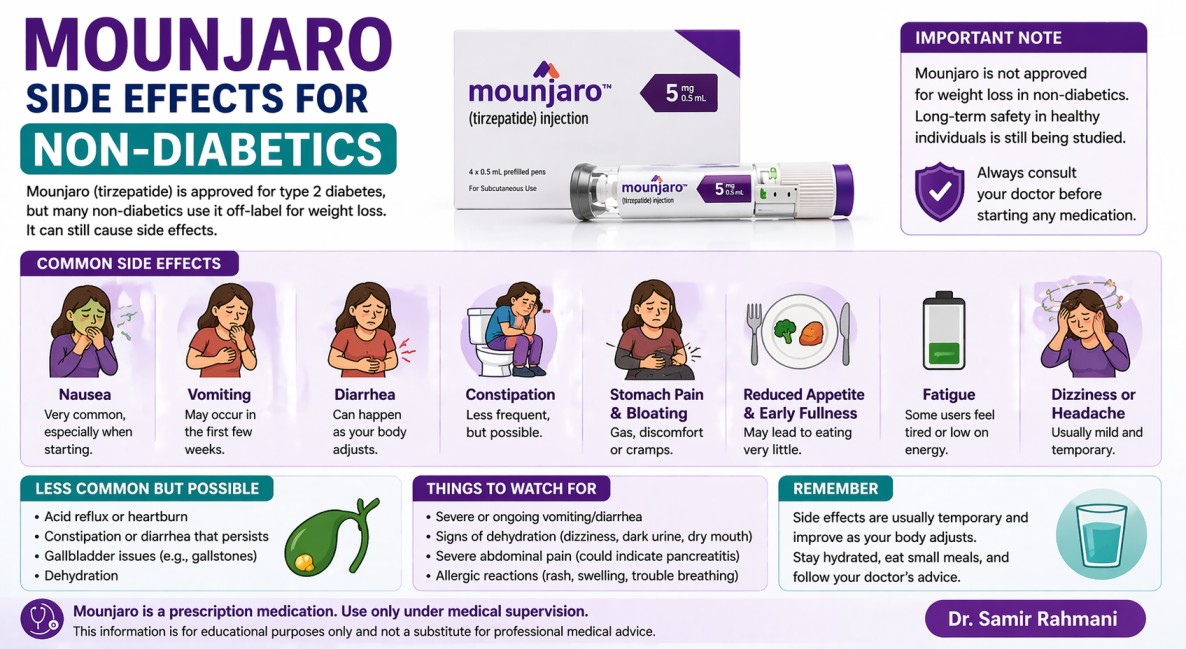
Managing Tirzepatide Weight Loss Side Effects
Nutritional Strategies
Eat small, frequent meals even when not hungry
Front-load calories earlier in the day when nausea tends to be less
Choose nutrient-dense foods since you will be eating less overall
Prioritize protein (lean meats, fish, eggs, legumes, dairy)
Include vegetables and fruits for fiber and micronutrients
Consider a daily multivitamin and potentially additional supplements
Lifestyle Modifications
Stay well-hydrated with water and non-caloric beverages
Maintain regular physical activity, including both cardio and strength training
Get adequate sleep, which supports weight loss and reduces stress
Manage stress, which can worsen GI symptoms and affect food choices
When to Adjust Treatment
Work with your healthcare provider if you experience:
Side effects that significantly impact your quality of life
Weight loss that is too rapid (more than 1-2 kg per week consistently)
Signs of nutritional deficiency
Difficulty maintaining adequate food and fluid intake
New or worsening symptoms that concern you
Conclusion: Mounjaro Side Effects for Non-Diabetics and What to Expect
Understanding mounjaro side effects for non diabetics is essential for anyone considering mounjaro for weight loss. While the medication is highly effective, patients should be aware of potential mounjaro weight loss side effects and broader weight loss injection side effects, especially during the initial stages of treatment.
Most tirzepatide weight loss side effects are mild to moderate and improve over time, particularly with the right dietary adjustments, hydration, and medical guidance. Non-diabetic patients may experience stronger appetite suppression, which can be beneficial for weight loss but requires careful nutritional planning to avoid deficiencies and muscle loss.
With proper supervision, regular monitoring, and a personalised treatment plan, Mounjaro can be a safe and effective option for sustainable weight management. For the best outcomes, consult Dr. Samir Rahmani, who provides evidence-based care and tailored strategies to help patients manage mounjaro weight loss side effects safely and achieve long-term results.

About the author
Dr. Samir Rahmani
FRCS (England)
CCT General Surgery (UK)
MD — University of Leeds
MSc Surgery — University of Hull
24+ years experience
5,000+ procedures
Dr. Samir Rahmani is a UK-trained consultant surgeon with 27+ years of experience in bariatric, gastrointestinal, and metabolic health management. He completed advanced surgical training in the UK and previously served at Aneurin Bevan University Health Board (NHS Wales).
He holds an MD in Surgery from the University of Leeds and is JAG-accredited in GI endoscopy. Currently practicing in the UAE, he provides evidence-based guidance on mounjaro for weight loss and other weight management treatments, including tirzepatide weight loss side effects and weight loss injection side effects.
Dr. Rahmani helps patients understand mounjaro weight loss side effects, including those experienced by non-diabetic individuals, ensuring safe and personalised treatment plans with a focus on long-term health outcomes.
Frequently Asked Questions: Mounjaro for Non-Diabetic Weight Loss
Yes, Mounjaro is FDA-approved for weight management in non-diabetic adults and has been extensively studied in this population. The SURMOUNT clinical trials specifically evaluated safety and efficacy in people without diabetes, demonstrating a favorable benefit-risk profile.
The side effect profile is similar, with GI symptoms being most common. However, non-diabetics have a significantly lower risk of hypoglycemia. Some weight loss-specific concerns like muscle loss and hair loss may be more relevant for non-diabetic patients focused on body composition.
Clinical trials showed average weight loss of 15-22% of body weight over 72 weeks, depending on dose. Individual results vary based on starting weight, lifestyle factors, and treatment adherence. Combining Mounjaro with diet and exercise typically produces the best results.
Research indicates that some weight regain is common after stopping any weight loss medication, including Mounjaro. Sustainable lifestyle changes during treatment can help minimize regain. Some patients may benefit from long-term or intermittent use under medical supervision.
Discuss all supplements with your healthcare provider before combining them with Mounjaro. Some supplements may interact with the medication or worsen side effects. Generally, a basic multivitamin and protein supplement are safe and often recommended.
Medical Disclaimer
This article is for informational purposes only and is not a substitute for professional medical advice, diagnosis, or treatment. Always seek the advice of a qualified health provider with any questions you may have regarding a medical condition.
Medically reviewed by Dr. Samir Rahmani.
MORE ARTICLES
Mounjaro and Your Organs: Thyroid, Kidney, Eye, and Liver Side...Read More

Mounjaro Side Effects by Dose: What to Expect at Every...Read More
Mounjaro Side Effects for Non-Diabetics: What Weight Loss Patients Need...Read More

Mounjaro Long-Term Side Effects: Cancer Risk, Safety Concerns, and What...Read More