
Mounjaro Long-Term Side Effects: Cancer Risk, Safety Concerns, and What Science Tells Us

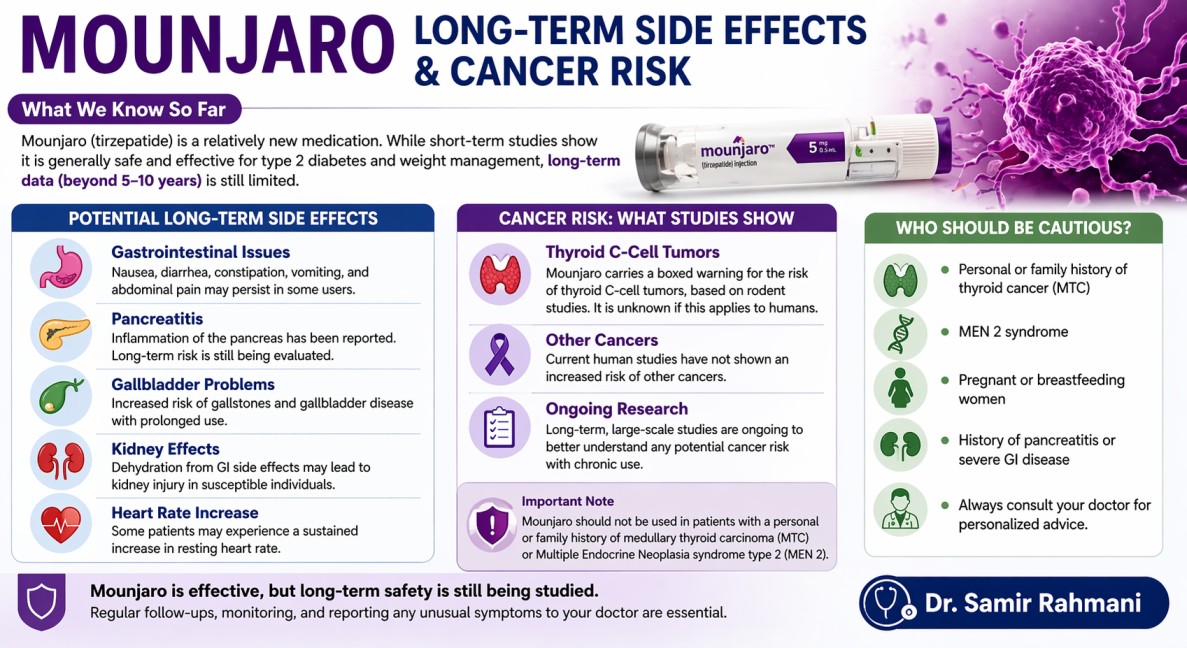
Mounjaro long-term side effects include potential risks of thyroid tumors (based on animal studies), pancreatitis, and gallbladder problems. The medication carries a boxed warning about thyroid C-cell tumors found in rodent studies, though no increased cancer risk has been observed in human clinical trials spanning up to 2 years. Current evidence suggests Mounjaro is safe for most patients when used under medical supervision.
As a bariatric surgeon in Dubai helping patients achieve sustainable weight loss, I understand the importance of fully informed treatment decisions. This guide examines the scientific evidence behind Mounjaro long-term safety concerns.
Mounjaro Side Effects Cancer: Understanding the Thyroid Warning
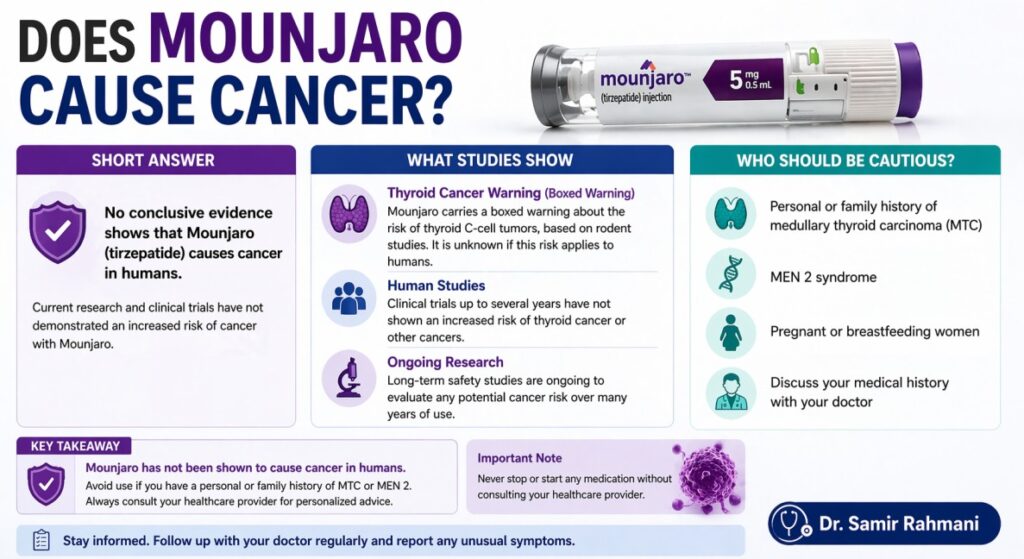
Does Mounjaro Cause Cancer?
The question of whether Mounjaro causes cancer is one of the most important considerations for patients. The honest answer is that we do not have definitive long-term human data, but current evidence is reassuring.
What we know from animal studies:
In rodent studies, tirzepatide caused thyroid C-cell tumors
These tumors included both benign and malignant (cancerous) forms
Rodents are more susceptible to these tumors than humans
The relevance of rodent thyroid findings to humans is unknown
What we know from human studies:
Clinical trials up to 2 years have not shown increased cancer rates
Post-marketing surveillance continues to monitor for cancer signals
No medullary thyroid carcinoma cases attributed to Mounjaro in trials
The mechanism that causes rodent thyroid tumors may not occur in humans
Mounjaro Thyroid Warning: Who Should Not Take This Medication
Due to the thyroid tumor findings in animals, Mounjaro carries a boxed warning – the FDA’s most serious warning type. Certain individuals should not take Mounjaro:
Personal history of medullary thyroid carcinoma (MTC)
Family history of MTC in first-degree relatives
Multiple Endocrine Neoplasia syndrome type 2 (MEN 2)
Unexplained thyroid nodules or elevated calcitonin levels
Warning signs to watch for:
A lump or swelling in your neck
Difficulty swallowing
Persistent hoarseness or voice changes
Shortness of breath
If you experience any of these symptoms, contact your healthcare provider immediately for evaluation.
Mounjaro and Pancreatitis: Risk Factors and Warning Signs
Can Mounjaro Cause Pancreatitis?
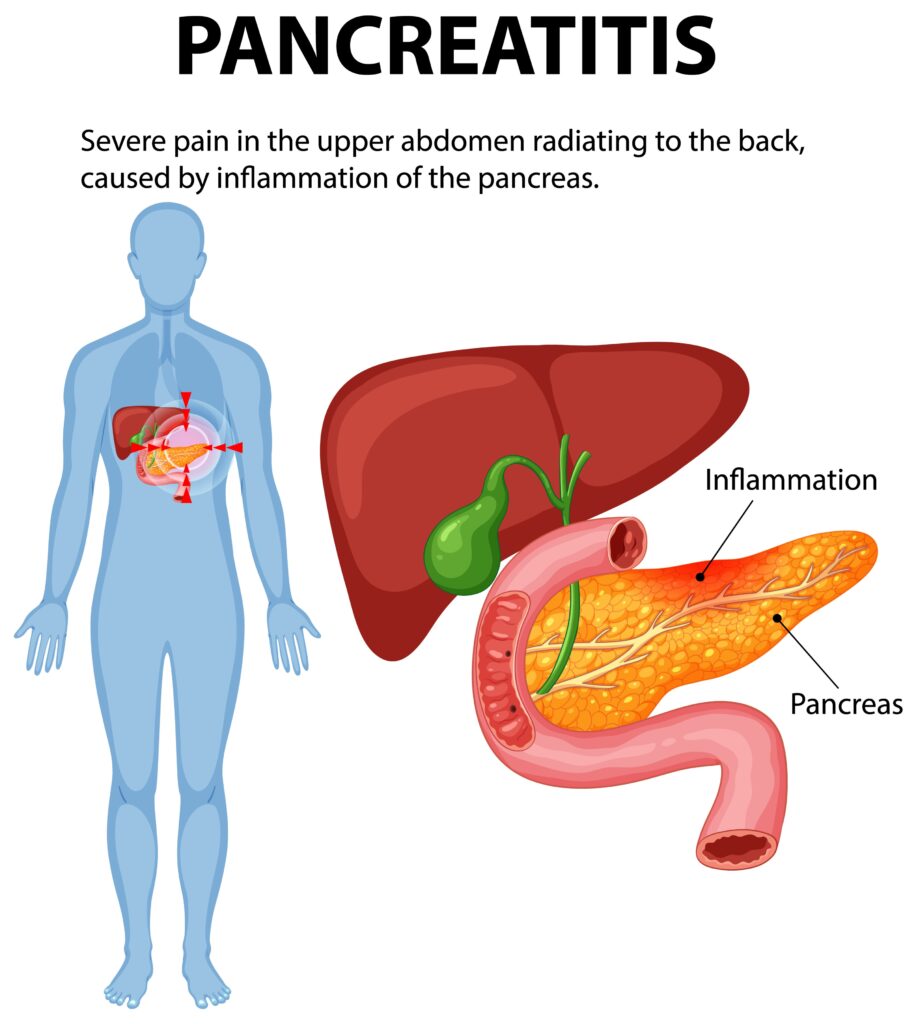
Pancreatitis (inflammation of the pancreas) is a rare but serious potential side effect of Mounjaro. In clinical trials, pancreatitis occurred in less than 1% of patients, but the consequences can be severe.
Risk factors for Mounjaro-related pancreatitis:
History of pancreatitis or chronic pancreatic conditions
Gallstones or a history of gallbladder disease
Heavy alcohol use
Very high triglyceride levels
Recent abdominal surgery or trauma
Recognizing Pancreatitis Symptoms
Pancreatitis symptoms require immediate medical attention. Warning signs include:
Severe, persistent abdominal pain, often in the upper abdomen
Pain that radiates from the abdomen to the back
Pain that worsens after eating
Nausea and vomiting that do not improve
Fever and rapid heartbeat
An abdomen that is tender to the touch
If you suspect pancreatitis, stop taking Mounjaro and seek emergency medical care. Early treatment significantly improves outcomes.
Other Mounjaro Long-Term Safety Considerations
Gallbladder Problems
Rapid weight loss from any cause, including Mounjaro, increases the risk of gallstones. Additionally, GLP-1 medications may independently affect gallbladder function.
Gallstones occurred in approximately 2-3% of clinical trial participants
Symptoms include pain in the upper right abdomen, especially after fatty meals
Some patients may require gallbladder removal surgery
Gradual weight loss and adequate hydration may reduce the risk
Kidney Effects
Mounjaro can affect kidney function, primarily through dehydration related to GI side effects like vomiting and diarrhea.
Patients with existing kidney disease should be monitored closely
Acute kidney injury has been reported in some cases
Staying well-hydrated is essential, especially during initial treatment
Regular kidney function tests may be recommended
Diabetic Retinopathy
For diabetic patients, rapid improvements in blood sugar control can temporarily worsen diabetic retinopathy (eye disease). This is related to the metabolic changes rather than the medication itself.
Diabetic patients should have regular eye examinations
Notify your ophthalmologist that you are taking Mounjaro
Report any vision changes immediately
Mental Health Effects
Some patients report mood changes, depression, or anxiety while taking Mounjaro. The relationship between GLP-1 medications and mental health is an active area of research.
Monitor your mood and emotional wellbeing during treatment
Inform your doctor if you have a history of depression or anxiety
Report significant mood changes, suicidal thoughts, or behavioral changes
Is Mounjaro Safe? Evaluating the Overall Risk-Benefit Profile
When patients ask whether Mounjaro is safe, the answer depends on individual circumstances. For most patients, the benefits of weight loss and improved metabolic health outweigh the potential risks.
Evidence Supporting Mounjaro Safety
Clinical trials enrolled over 15,000 participants and included extensive safety monitoring.
The FDA approval process involved a rigorous review of all safety data
Post-marketing surveillance continues to monitor for rare side effects
Similar medications (GLP-1 agonists) have been used safely for over 15 years
Important Safety Considerations
Not recommended for pregnant or breastfeeding women
Should be used cautiously in patients with a history of certain medical conditions
Requires regular medical monitoring during treatment
Should be prescribed by healthcare providers experienced with weight management
Reducing Your Risk
Working with an experienced healthcare provider significantly reduces the risk of serious complications. Key strategies include:
Complete medical evaluation before starting treatment
Proper dose titration following recommended schedules
Regular follow-up appointments to monitor for side effects
Immediate reporting of concerning symptoms
Maintaining adequate hydration and nutrition
Concerned About Mounjaro Safety?
Dr. Samir Rahmani provides comprehensive pre-treatment evaluations and ongoing monitoring for patients using weight loss medications. Our evidence-based approach prioritizes your safety.
Conclusion: Mounjaro Long-Term Safety, Cancer Risk, and What You Should Know
Understanding mounjaro long-term side effects and the overall long-term effects of mounjaro is essential before starting treatment. While concerns around mounjaro side effects cancer and questions like does mounjaro cause cancer are valid, current clinical evidence remains reassuring, with no confirmed increased cancer risk in human studies so far.
At the same time, patients should be aware of important safety considerations such as the mounjaro thyroid warning and rare risks like mounjaro and pancreatitis. These risks are uncommon and can be effectively managed with proper screening, medical supervision, and regular follow-up.
From an evidence-based perspective, is mounjaro safe depends on individual health factors, medical history, and correct usage under specialist guidance. When prescribed and monitored appropriately, the benefits of weight loss and improved metabolic health often outweigh the potential risks.
For personalised and expert guidance, consult Dr. Samir Rahmani, who provides evidence-based care and ongoing monitoring to help patients safely manage treatment and minimise mounjaro long-term side effects.

About the author
Dr. Samir Rahmani
FRCS (England)
CCT General Surgery (UK)
MD — University of Leeds
MSc Surgery — University of Hull
24+ years experience
5,000+ procedures
Dr. Samir Rahmani is a UK-trained consultant surgeon with 27+ years of experience in bariatric, gastrointestinal, and metabolic health management. He completed advanced surgical training in the UK and previously served at Aneurin Bevan University Health Board (NHS Wales).
He holds an MD in Surgery from the University of Leeds and is JAG-accredited in GI endoscopy. Currently practicing in the UAE, he provides evidence-based guidance on weight management treatments, including medications like Mounjaro (tirzepatide), with a focus on long-term safety, potential side effects, and cancer risk considerations related to GLP-1 therapies.
Frequently Asked Questions: Mounjaro Long-Term Safety
Current clinical trial data support the safety of Mounjaro for at least 2 years. Many patients may need longer-term treatment to maintain weight loss. Your doctor will regularly assess whether continued treatment is appropriate based on your individual response and health status.
No cases of thyroid cancer have been attributed to Mounjaro in human clinical trials. The thyroid tumor warning is based on rodent studies, and the relevance to humans is unknown. However, patients with certain thyroid conditions or family histories should not use this medication.
Pancreatitis occurred in fewer than 1% of participants in the clinical trial. Your risk may be higher if you have a history of pancreatitis, gallstones, or heavy alcohol use. Close monitoring and awareness of warning signs help ensure early treatment if pancreatitis occurs.
Most Mounjaro side effects resolve after stopping the medication. However, conditions like gallstones or pancreatitis, if they occur, may have lasting effects. Thyroid concerns have not been shown to cause permanent problems in humans in current studies.
Your healthcare provider may recommend thyroid evaluation before starting treatment, especially if you have risk factors. This may include a physical exam of your neck and potentially blood tests. Ongoing monitoring depends on your individual circumstances.
Medical Disclaimer
This article is for informational purposes only and is not a substitute for professional medical advice, diagnosis, or treatment. Always seek the advice of a qualified health provider with any questions you may have regarding a medical condition.
Medically reviewed by Dr. Samir Rahmani.
MORE ARTICLES
Mounjaro Long-Term Side Effects: Cancer Risk, Safety Concerns, and What...Read More
Mounjaro Diarrhea, Constipation, and Stomach Pain: Complete GI Side Effects...Read More

Mounjaro Side Effects: A Complete Guide to Understanding and Managing...Read More

Can H. Pylori Cause Stomach Cancer? Key Facts Fear is...Read More