
Gastritis: Symptoms, Causes & Healing Guide

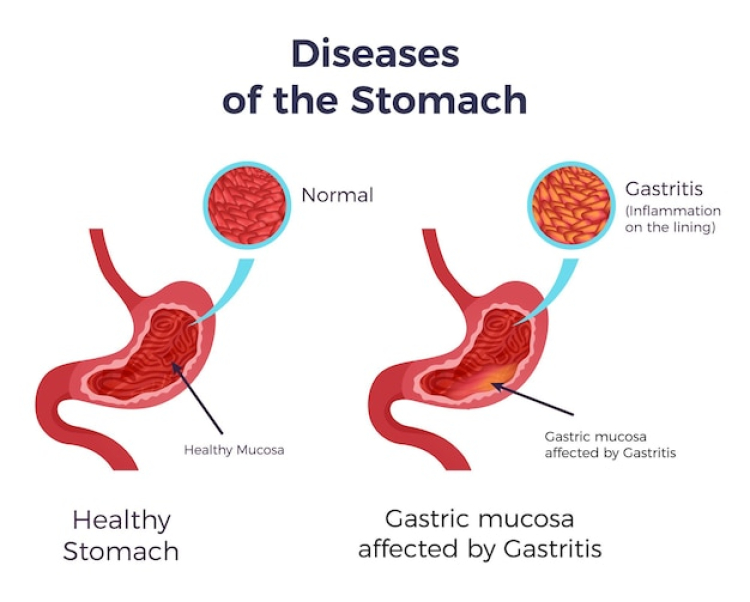
The stomach is often described as a workhorse, an organ that endures quite a bit of biological “wear and tear.” But sometimes, that endurance reaches a limit. When the protective lining of your stomach becomes inflamed, irritated, or eroded, we call it gastritis. It isn’t just a simple case of “indigestion”—it is a clinical condition that can range from a sudden, sharp flare-up to a long-term, quiet struggle that persists for years.
Understanding gastritis causes and identifying the right symptoms of gastritis is essential because, left unchecked, this inflammation can lead to ulcers or even more severe gastric complications. In my clinical observations, I’ve seen many patients mistake the early signs for mere hunger pangs or “acid stomach.” However, a deeper look often reveals a complex interplay between lifestyle, bacteria, and biology.
Dr. Samir Rahmani frequently notes that patients often come in asking how to cure gastritis permanently. The truth is that while “cure” is a strong word, “healing” is absolutely achievable. It requires a blend of medical intervention and a significant shift in how we treat our digestive system daily.
The Two Faces of Inflammation: Acute vs. Chronic Gastritis
Gastritis isn’t a single “one-size-fits-all” diagnosis. It usually falls into two primary categories based on how it develops.
Acute Gastritis
This is a sudden, severe inflammation. It hits fast and hard. You might feel a sharp, stabbing pain in the upper abdomen, often accompanied by nausea. Acute gastritis is typically triggered by a specific event—perhaps a weekend of heavy alcohol consumption, a high dosage of NSAIDs (like ibuprofen), or a severe bacterial infection.
Chronic Gastritis
This is the “slow burn.” It develops gradually and may stick around for months or years. Chronic gastritis is often more dangerous because the symptoms can be so mild that you learn to live with them, unaware that your stomach lining is slowly thinning (atrophic gastritis). The most common culprit for this long-term irritation is the H. pylori bacteria.
What Causes Gastritis? Identifying the Triggers
If you’re wondering what causes gastritis, the list is shorter than you might think, but the impact is profound. The stomach has a mucosal barrier that shields it from its own digestive acids. When this barrier is breached, the acid begins to damage the stomach wall itself.
Bacterial Infection: As discussed throughout this series, H. pylori is a leading cause of chronic inflammation.
Regular use of Pain Relievers: Common over-the-counter NSAIDs (aspirin, ibuprofen, naproxen) block a chemical that helps protect the stomach lining.
Excessive Alcohol Use: Alcohol irritates and can erode the stomach lining, leading to alcoholic gastritis. This makes the stomach more vulnerable to digestive juices.
Autoimmune Response: In rare cases, the body’s immune system attacks the cells that make up the stomach lining.
Stress: Severe physiological stress from major surgery, injury, or burns can trigger an acute flare-up.
💡Can stress at work cause gastritis?
While emotional stress (like a busy job) can certainly worsen your gastritis symptoms by increasing acid production, it usually isn’t the primary cause. True “stress gastritis” typically refers to major physical trauma. However, managing your mental well-being is a key part of how you heal gastritis over the long term.
Recognizing the Symptoms of Gastritis
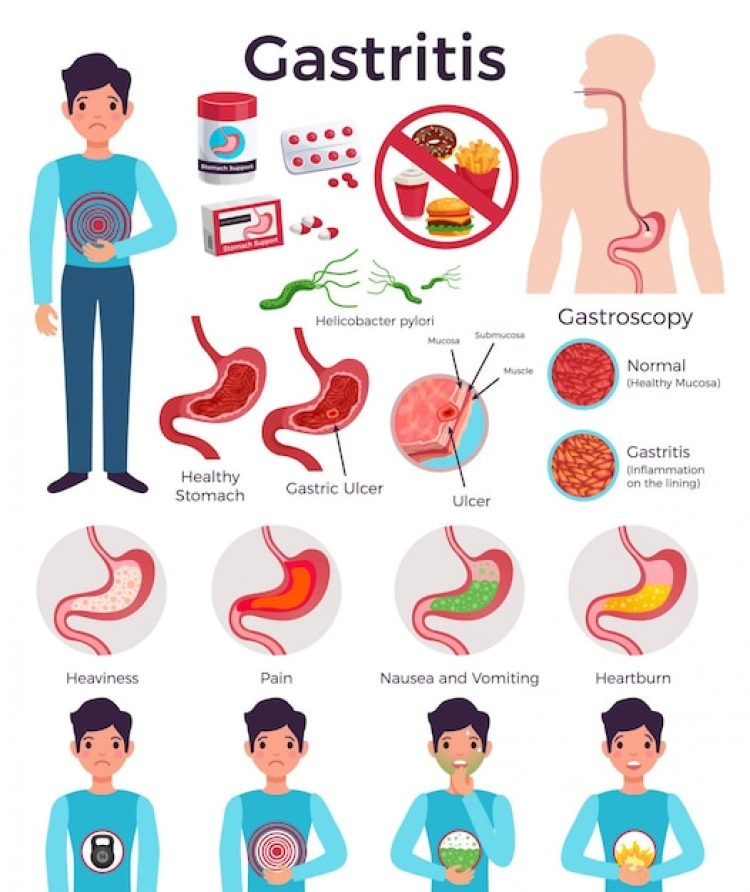
The symptoms of gastritis can be tricky. Some people have no symptoms at all, while others are in significant distress.
Common signs include:
Gnawing or Burning: Usually in the upper abdomen (epigastric area). It may feel better or worse after eating.
Nausea and Vomiting: A persistent queasiness that won’t settle.
A Feeling of Fullness: Feeling excessively full in your upper abdomen shortly after beginning a meal.
Bloating: A distended, tight feeling in the belly.
Specific Types: From Antral to Pangastritis
In clinical reports from specialists like Dr. Samir Rahmani, you might see more specific terms:
Antral Gastritis: Inflammation specifically in the lower part of the stomach (the antrum).
Pangastritis: Inflammation that involves the entire stomach.
Reactive Gastropathy: This occurs when the stomach lining is damaged by substances like bile or chemical irritants rather than bacteria.
💡Why is my pain worse at night?
Many symptoms of gastritis intensify when the stomach is empty. At night, without food to “buffer” the acid, the gastric juices come into direct contact with the inflamed lining, causing that characteristic burning sensation that wakes you up.
The Path to Healing: How to Heal Gastritis
When patients ask how to cure gastritis permanently, they are usually looking for a one-time fix. In reality, the stomach lining is a living tissue that needs a sustained period of “peace” to regenerate.
Dr. Samir Rahmani’s approach to how to heal gastritis focuses on three pillars:
Removing the Irritant: If it’s alcohol, we stop. If it’s NSAIDs, we switch to paracetamol. If it’s H. pylori, we use antibiotics.
Reducing the Acid: We use Proton Pump Inhibitors (PPIs) to lower the “heat” in the stomach, allowing the lining to recover without being constantly bathed in acid.
Coating and Protecting: In some cases, medications like Sucralfate are used to create a physical barrier over the irritated spots.
Home Remedies and Lifestyle Adjustments For Gastritis
While medical treatment is non-negotiable for clinical cases, home remedies for gastritis can provide significant symptom relief and support the healing process.
Ginger and Turmeric: These have natural anti-inflammatory properties. A warm ginger tea can often soothe mild symptoms of gastritis.
Probiotics: Introducing “good” bacteria through yogurt or kefir can help balance the gut environment.
Smaller Meals: Don’t overwhelm your stomach. Eat five small meals instead of three large ones.
Avoid Triggers: Stay away from spicy, acidic (tomatoes/citrus), and fried foods while your stomach is in a “healing window.”
💡Can I use apple cider vinegar as a home remedy?
This is a common point of misinformation. Since gastritis is caused by an excess of acid (or a weakened defense against it), adding more acid via vinegar can be extremely painful and counterproductive. Stick to alkaline or neutral remedies like chamomile tea or manuka honey.
When Does Gastritis Become Serious?
You should seek an evaluation with a specialist like Dr. Samir Rahmani immediately if you notice:
Vomiting blood or what looks like coffee grounds.
Black, tarry stools (melena).
Unexplained weight loss.
Extreme weakness or dizziness (signs of anemia).
These “alarm signs” suggest that the gastritis has progressed to a bleeding ulcer or that the lining has become severely compromised.
Final Thoughts: A Proactive Approach to Gut Health
Gastritis is a clear signal from your body that your internal environment is out of balance. It isn’t something to ignore or mask with endless bottles of antacids. Whether it is acute gastritis from a sudden trigger or chronic gastritis that has been lingering for years, the path to feeling better is the same: identify the cause, reduce the acid, and protect the lining.
With the guidance of a specialist like Dr. Samir Rahmani, you can move beyond simply managing pain to actually restoring the health of your stomach. Healing takes time and discipline, but the reward—a life free from the “burn”—is worth the effort.
Are you tired of the constant burning sensation?
A specialized consultation is the most effective way to determine the root cause of your discomfort. Dr. Samir Rahmani offers advanced diagnostic testing to help you find a long-term solution.
Medical Disclaimer
This article is for informational purposes only and is not a substitute for professional medical advice, diagnosis, or treatment. Always seek the advice of a qualified health provider with any questions you may have regarding a medical condition.
Medically reviewed by Dr. Samir Rahmani.
Frequently Asked Questions
Acute gastritis may resolve in a few days once the trigger is removed. Chronic cases, however, may take several weeks or even months of disciplined treatment and dietary changes to fully settle.
No. Acid reflux (GERD) is when acid goes up into the esophagus. Gastritis is the inflammation of the stomach lining itself. However, they often occur together because both are related to how the body manages stomach acid.
Coffee is a major trigger for most types of gastritis, including antral gastritis, because it stimulates acid production. It is best to avoid it during the active healing phase.
Think of gastritis as the “prelude.” It is the inflammation of the lining. An ulcer is a physical hole or sore that has formed because the inflammation was so severe or went on for too long.
While not everyone who drinks gets it, alcoholic gastritis is very common. Chronic alcohol use thins the stomach’s mucosal barrier, making it very easy for acid to cause damage.
Chronic, untreated gastritis—especially if caused by H. pylori—can increase the risk of stomach cancer over many decades. This is why Dr. Samir Rahmani emphasizes early diagnosis and eradication.
Yes, for most people. Plain, low-fat yogurt contains probiotics that can help soothe the stomach and balance the gut microbiome. Avoid flavored yogurts with high sugar content.
This is a classic symptom of gastritis known as early satiety. Because the stomach lining is inflamed, the stomach cannot expand or process food as comfortably as it normally would.
Absolutely not. NSAIDs like ibuprofen are one of the primary gastritis causes. Taking them when your stomach is already inflamed is like adding fuel to a fire.
Sometimes, severe inflammation in the stomach can cause “referred pain” that is felt in the mid-back. If you have stomach pain that radiates to your back, it’s important to see a specialist to rule out ulcers or gallbladder issues.
Diet is essential for management, but if your gastritis is caused by a bacterial infection like H. pylori, you will need medication to clear the bacteria. Diet alone cannot kill the infection.
This is a type of stomach damage caused by chemical irritants (like bile reflux or long-term NSAID use) rather than an infection or autoimmune issue.
While the infection that causes it (H. pylori) can run in families due to shared living spaces, most cases of gastritis are due to environmental factors or lifestyle habits rather than genetics.
Gentle exercise like walking is fine. However, intense workouts or core-heavy exercises may be uncomfortable during a flare-up. Listen to your body and avoid anything that causes abdominal pressure.


