
Stomach Ulcer: Symptoms, Causes & Treatment Guide

The stomach is a remarkably resilient organ, churning with acids powerful enough to dissolve metal. It protects itself with a sophisticated, thick mucosal barrier. But when that barrier fails, the result is a stomach ulcer—a painful sore that develops on the lining of the stomach or the upper part of the small intestine. This condition, known clinically as peptic ulcer disease, is more than just a case of severe indigestion; it is a physical breach in your body’s internal defenses.
For years, many people believed that stress or a love for spicy food caused these holes in the stomach. We now know better. While lifestyle factors can certainly aggravate the pain, the primary culprits are usually biological or pharmacological. In his clinical practice, Dr. Samir Rahmani often finds that patients have spent months managing symptoms with over-the-counter antacids, only to discover that the underlying cause—often a bacterial infection or long-term medication use—remains unaddressed. Understanding the nuances of this condition is the first step toward a permanent solution.
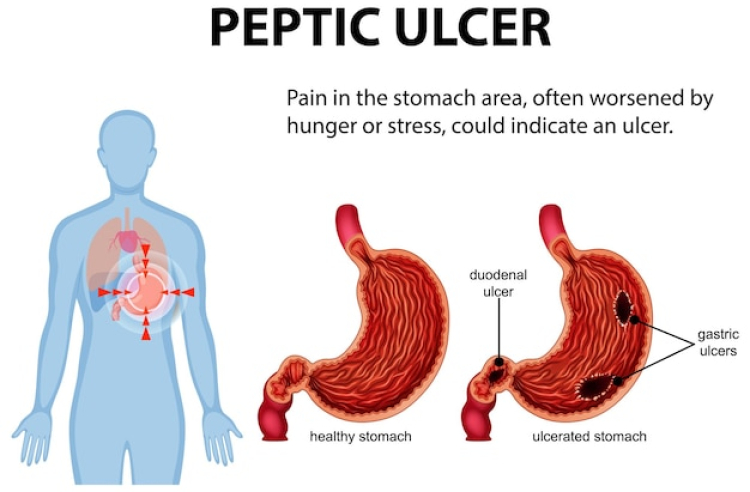
What Exactly is a Stomach Ulcer?
A stomach ulcer is essentially an open sore. When the balance between the corrosive digestive juices and the protective mucus is disrupted, the acid begins to eat away at the stomach wall. Imagine it like a small crater in the lining. This process can be slow and nagging, or it can escalate into a medical emergency if the ulcer begins to bleed or perforates the stomach wall entirely.
The Scope of Peptic Ulcer Disease
When doctors speak about peptic ulcer disease, they are referring to ulcers that occur in both the stomach (gastric ulcers) and the first section of the small intestine (duodenal ulcers). Both share similar causes and treatments, though the timing of the pain can differ depending on where the sore is located.
💡Are stomach ulcers dangerous?
This is a natural concern. The short answer is: they can be. While many ulcers are manageable with medication, are stomach ulcers dangerous if ignored? Yes. An untreated ulcer can lead to internal bleeding, infection (peritonitis), or a blockage that prevents food from moving through the digestive tract. Early diagnosis with a specialist like Dr. Samir Rahmani is key to avoiding these complications.
Identifying the Signs: Peptic Ulcer Symptoms
The body is quite expressive when it comes to internal damage, but the peptic ulcer symptoms you experience might vary based on your age, gender, and the severity of the sore.
The Hallmark Pain
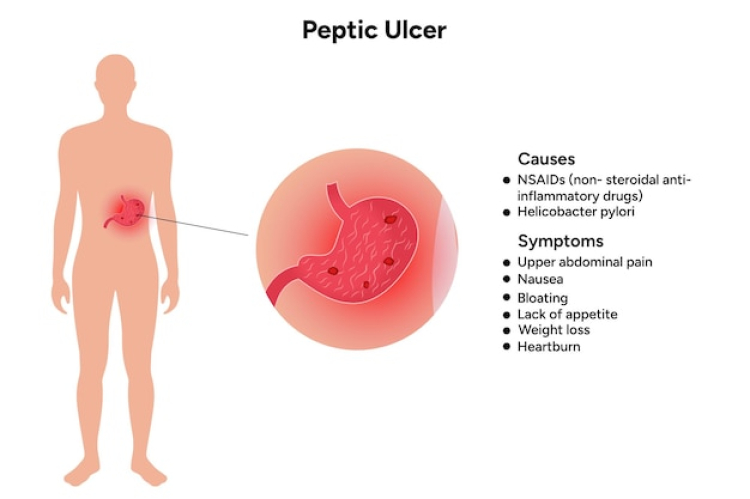
The most common sign is a dull, burning sensation in the center of the abdomen, specifically between the breastbone and the belly button. This pain often:
Feels worse when the stomach is empty.
May be temporarily relieved by eating certain foods or taking an antacid.
Comes and goes in waves over several days or weeks.
Gender-Specific Observations
Interestingly, symptoms can manifest slightly differently between men and women.
Stomach ulcer symptoms male: Men often report a classic “gnawing” hunger pain that radiates toward the back. They may also be more likely to ignore the symptoms until they become severe.
Stomach ulcer symptoms female: Women may experience more pronounced bloating, nausea, or a sense of early fullness after eating only a small amount.
💡Can stomach ulcers kill you?
It is a heavy question, but medically necessary to address. Can stomach ulcers kill you? In extremely rare, untreated cases, a perforated ulcer can lead to a life-threatening infection or massive internal hemorrhage. However, with modern stomach ulcer treatment, these outcomes are highly preventable.
When the Situation Escalates: Bleeding Stomach Ulcer Symptoms
An ulcer becomes a critical issue when it reaches a blood vessel. A bleeding ulcer is a serious medical situation that requires immediate intervention.
Bleeding stomach ulcer symptoms include:
Vomiting Blood: This may appear bright red or look like “coffee grounds” (partially digested blood).
Dark, Tarry Stools: Known as melena, this is a sign of blood that has passed through the digestive system.
Dizziness or Fainting: This results from the loss of red blood cells and a drop in blood pressure.
Shortness of Breath: A sign of anemia caused by slow, chronic blood loss.
If you observe any of these signs, Dr. Samir Rahmani recommends bypassing the pharmacy and heading straight for a clinical evaluation.
The True Causes: Why Do Ulcers Form?
If it isn’t the spicy wings or the stressful job, what is it?
1. H. Pylori Infection
The vast majority of peptic ulcer disease cases are caused by Helicobacter pylori (H. pylori). These bacteria live in the mucus layer and secrete enzymes that neutralize stomach acid, but in the process, they inflame and weaken the protective lining.
2. NSAID Use
The second most common cause is the long-term use of nonsteroidal anti-inflammatory drugs (NSAIDs) like ibuprofen, aspirin, and naproxen. These medications block the enzymes that produce the prostaglandins that protect your stomach lining.
3. Rare Conditions
Rarely, conditions like Zollinger-Ellison syndrome can cause the body to produce excessive amounts of acid, leading to multiple ulcers.
Diagnosis of Stomach Ulcer: Finding the Sore
Before starting a peptic ulcer treatment, we must confirm the location and cause. Dr. Samir Rahmani utilizes several diagnostic paths:
Endoscopy: A thin tube with a camera allows the doctor to see the ulcer directly. This is the most accurate way to diagnose the condition.
H. Pylori Testing: Through breath, stool, or blood tests to see if the bacteria are present.
Imaging: Occasionally, a barium swallow (an X-ray of the upper GI tract) is used to visualize the stomach’s shape.
💡How long does it take for a stomach ulcer to heal?
With the right stomach ulcer treatment, most ulcers heal within 4 to 8 weeks. However, the pain often disappears within the first few days of medication. It is vital to continue the full course of treatment to ensure the tissue is fully repaired.
Modern Stomach Ulcer Treatment
The goal of treatment is twofold: kill the bacteria (if present) and reduce acid to allow the tissue to knit back together.
1. Ulcer Antibiotics
If H. pylori is detected, a combination of ulcer antibiotics—usually two different types—is prescribed for 14 days. This ensures that the bacteria cannot develop resistance.
2. Acid-Blocking Medications
Proton Pump Inhibitors (PPIs): These are the powerhouse of peptic ulcer treatment. They shut down the acid-producing “pumps” in the stomach cells, providing the quiet environment needed for healing.
H2 Blockers: These reduce the amount of acid released into the digestive tract.
Cytoprotective Agents: Medications like Sucralfate act as a “liquid bandage,” coating the ulcer to protect it from further acid damage.
Lifestyle and Aftercare: Protecting Your Stomach
While the stomach ulcer treatment does the heavy lifting, your lifestyle choices determine if the ulcer stays away.
Review Your Meds: If you need pain relief, talk to Dr. Samir Rahmani about switching to paracetamol, which doesn’t affect the stomach lining.
Quit Smoking: Smoking interferes with the protective lining of the stomach and slows the healing process significantly.
Limit Alcohol: Excessive alcohol irritates the stomach and can lead to bleeding.
Dietary Awareness: While food doesn’t cause ulcers, you might find that avoiding caffeine, citrus, and very spicy foods makes you much more comfortable during the healing phase.
💡Can I treat an ulcer with just milk?
This is an old myth. While milk might feel “cool” as you drink it, it actually stimulates the stomach to produce more acid, which can make the ulcer pain worse an hour later. Stick to the prescribed medications.
A Note on Professional Care
A stomach ulcer is a physical injury that requires professional medical management. While the internet is full of “natural cures,” relying on unproven methods can lead to the dangerous complications mentioned earlier. Dr. Samir Rahmani’s approach combines the latest in diagnostic technology with a deep commitment to ethical, patient-first care. The goal isn’t just to mask the pain with antacids—it’s to heal the sore, eliminate the cause, and get you back to living your life comfortably.
If you are experiencing persistent abdominal pain, don’t wait for it to “just go away.” Your stomach is trying to tell you something. By seeking an expert consultation, you are taking the most direct path toward a full recovery.
Medical Disclaimer
This article is for informational purposes only and is not a substitute for professional medical advice, diagnosis, or treatment. Always seek the advice of a qualified health provider with any questions you may have regarding a medical condition.
Medically reviewed by Dr. Samir Rahmani.
Frequently Asked Questions
Not necessarily. Some ulcers are “silent,” particularly in elderly patients or those with diabetes. They might only be discovered if they cause anemia or bleeding.
Gastritis is general inflammation of the stomach lining. An ulcer is a specific, deep sore or hole in that lining. Think of it as the difference between a rash and a wound.
While it is the leading cause, many people get ulcers solely from taking too many NSAIDs for joint pain or headaches. This is why Dr. Samir Rahmani always looks at a patient’s full medication history.
Stress doesn’t cause the ulcer to bleed, but extreme physical stress (like major trauma or surgery) can lead to “stress ulcers.” Emotional stress can make the perception of pain much worse.
There is no “ulcer gene,” but H. pylori infections tend to run in families due to shared living environments and close contact.
Caffeine is a stimulant for stomach acid. If you have an active ulcer, it is best to avoid coffee and tea until Dr. Rahmani confirms that the lining has healed.
Look for bleeding stomach ulcer symptoms like black, sticky stools or feeling very faint. If you have to sit down after standing up because you’re dizzy, seek help immediately.
Yogurt with live probiotics can be beneficial, as it helps balance the gut flora, especially if you are taking ulcer antibiotics.
Sometimes H. pylori is resistant. In those cases, Dr. Samir Rahmani will use a “rescue therapy” with a different combination of medications to ensure eradication.
Light exercise is fine. However, you should avoid heavy lifting or high-impact sports if you are experiencing significant pain, as abdominal pressure can be uncomfortable.
Most stomach ulcers are not cancerous. However, some stomach cancers can look like ulcers on an endoscopy. This is why a biopsy is often taken during the diagnosis phase.
Yes. Many people lose their appetite because eating triggers pain, or they feel full very quickly. This often leads to unintentional weight loss.
MORE ARTICLES
Mounjaro Diarrhea, Constipation, and Stomach Pain: Complete GI Side Effects...Read More

Mounjaro Side Effects: A Complete Guide to Understanding and Managing...Read More

Can H. Pylori Cause Stomach Cancer? Key Facts Fear is...Read More
Stomach Ulcer: Symptoms, Causes & Treatment Guide The stomach is...Read More