
Mounjaro Side Effects: A Complete Guide to Understanding and Managing Tirzepatide

Mounjaro (tirzepatide) side effects typically include gastrointestinal symptoms such as nausea, diarrhea, and constipation, which affect approximately 15-25% of users. Most side effects are mild to moderate and decrease as your body adjusts to the medication. However, understanding what to expect and when to seek medical attention is essential for safe treatment.
As a bariatric surgeon in Dubai with extensive experience helping patients manage weight loss medications, I have seen firsthand how proper preparation and monitoring can significantly improve your experience with Mounjaro.
This comprehensive guide covers everything you need to know about Mounjaro side effects, from common symptoms to rare but serious complications.
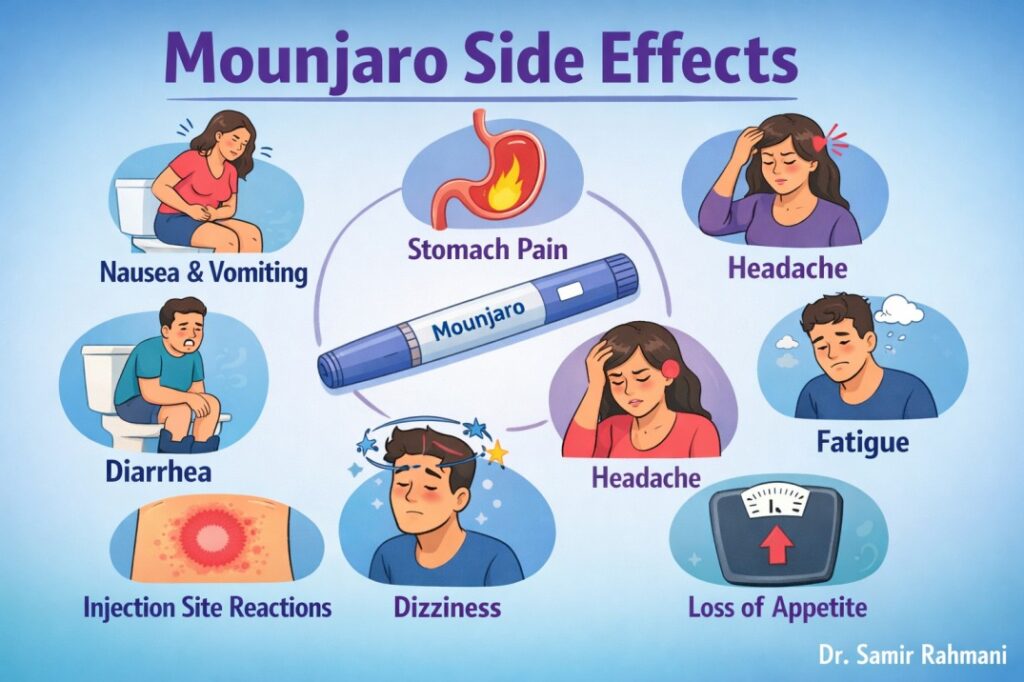
Quick Facts: Mounjaro Side Effects
Most common: Nausea (15-22%), Diarrhea (12-17%), Constipation (6-11%), Vomiting (5-9%). Side effects typically peak during dose increases and improve within 2-4 weeks.
What is Mounjaro and How Does It Work?
Mounjaro (generic name: tirzepatide) is a dual GIP/GLP-1 receptor agonist approved for type 2 diabetes and weight management. Unlike single-action medications like Ozempic (semaglutide), Mounjaro activates two hormonal pathways simultaneously, which may explain both its enhanced effectiveness and its side effect profile.
Key facts about Mounjaro:
FDA-approved for type 2 diabetes (2022) and chronic weight management (2023)
Weekly injectable medication available in doses from 2.5mg to 15mg
Works by mimicking GIP and GLP-1 hormones that regulate appetite and blood sugar
Clinical trials showed an average weight loss of 15-22% of body weight
Manufactured by Eli Lilly and available in Dubai, UAE, through licensed providers
What Are the Common Side Effects of Mounjaro?
The most frequently reported Mounjaro side effects are gastrointestinal. Understanding these common symptoms helps you prepare and manage them effectively.
Nausea and Vomiting
Nausea is the most common side effect of Mounjaro, affecting approximately 15-22% of patients in clinical trials. It typically occurs within the first few days after injection and tends to improve as your body adjusts. Vomiting affects about 5-9% of users and usually accompanies severe nausea.
How to manage Mounjaro nausea:
Eat in small proportions and more frequently throughout the day
Avoid fatty, greasy, or spicy foods that can worsen symptoms
Stay hydrated with small sips of water or ginger tea
Take your injection in the evening so peak effects occur during sleep
Consult your doctor about anti-nausea medications if symptoms persist
Diarrhea on Mounjaro
Diarrhea affects 12-17% of Mounjaro users and is particularly common during the initial weeks of treatment or after dose increases. This occurs because GLP-1 receptor agonists affect gut motility and digestion.
Why does Mounjaro cause diarrhea? Tirzepatide slows gastric emptying but can also alter intestinal fluid absorption, leading to loose stools. This effect usually normalizes within 2-4 weeks.
Constipation on Mounjaro
Constipation on Mounjaro affects 6-11% of patients and results from delayed gastric emptying, which slows overall digestive transit. This is essentially the opposite mechanism from diarrhea and can occur in different individuals or even alternate in the same person.
Tips for managing Mounjaro constipation:
Increase fiber intake gradually through vegetables, fruits, and whole grains
Drink at least 2-3 liters of water daily
Maintain regular physical activity to stimulate bowel movements
Consider a fiber supplement if dietary changes are insufficient
Speak with your doctor about stool softeners if constipation is severe
Stomach Pain and Abdominal Discomfort
Mounjaro stomach pain affects approximately 5-8% of users. This can manifest as general abdominal discomfort, cramping, or a feeling of fullness. Stomach pain is often related to the medication slowing down digestion and changing how food moves through your system.
Mounjaro Side Effects by Dosage Level
Mounjaro side effects often correlate with dosage increases. Understanding what to expect at each level helps you prepare for your treatment journey.
Mounjaro 2.5mg Side Effects (Starting Dose)
The 2.5mg starting dose is designed to minimize initial side effects while your body adjusts. Most patients experience mild symptoms during this phase, with nausea affecting about 12% of users. This dose is not typically therapeutic for weight loss but serves as an important adjustment period.
Mounjaro 5mg Side Effects
At 5mg, side effects may become more noticeable as the medication reaches therapeutic levels. Approximately 15% of patients report nausea, and GI symptoms overall tend to increase slightly. This is often when patients begin to see meaningful weight loss results.
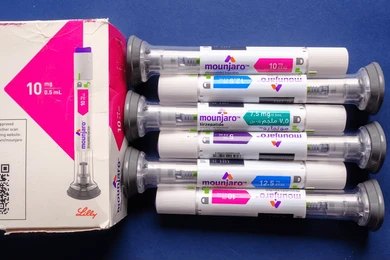
Mounjaro 7.5mg and 10mg Side Effects
The 7.5mg and 10mg doses represent mid-range therapeutic levels. Side effects at these doses are typically comparable to those of 5mg for patients who have been properly titrated. However, those who increase doses too quickly may experience more pronounced symptoms.
Mounjaro 12.5mg and 15mg Side Effects
The highest doses of 12.5mg and 15mg may produce more intense side effects in some patients. However, clinical data show that side-effect rates do not increase dramatically at higher doses in patients who have been properly titrated.
Mounjaro Long-Term Side Effects: What Research Shows
Understanding Mounjaro’s long-term side effects is crucial for patients considering extended treatment. Current clinical trial data extend to approximately 2 years, with ongoing studies monitoring longer-term outcomes.
Does Mounjaro Cause Cancer?
The question of whether Mounjaro causes cancer is one of the most common concerns patients raise. In animal studies, tirzepatide caused thyroid C-cell tumors in rodents. However, the relevance of these findings to humans is unclear, and no increased cancer risk has been observed in human clinical trials to date.
Important considerations:
Mounjaro carries a boxed warning about thyroid C-cell tumors based on animal studies
Patients with a personal or family history of medullary thyroid carcinoma (MTC) should not use Mounjaro
Those with Multiple Endocrine Neoplasia syndrome type 2 (MEN 2) should avoid this medication
Report any thyroid lumps, neck swelling, or hoarseness to your doctor immediately
Mounjaro and Thyroid Concerns
Mounjaro thyroid side effects are a significant consideration. While clinical trials have not shown increased thyroid cancer in humans, the medication does carry a boxed warning. Regular thyroid monitoring may be recommended, especially for patients with pre-existing thyroid conditions.
Mounjaro and Pancreatitis
Pancreatitis is a rare but serious potential side effect of Mounjaro. Symptoms include severe abdominal pain that radiates to the back, nausea, and vomiting. If you experience these symptoms, stop the medication and seek immediate medical attention.
Kidney and Liver Considerations
Mounjaro can affect kidney function, particularly through dehydration caused by vomiting or diarrhea. Patients with pre-existing kidney disease should be monitored closely. Liver effects are rare but have been reported in some cases.
Mounjaro Side Effects for Non-Diabetics
When Mounjaro is used for weight loss in non-diabetic patients, the side-effect profile is generally similar to that in diabetic patients. However, there are some important differences to consider.
Low Blood Sugar Concerns
Non-diabetics using Mounjaro for weight loss have a lower risk of hypoglycemia (low blood sugar) compared to diabetics, especially those taking insulin or sulfonylureas. However, symptoms like dizziness, shakiness, or confusion should still be monitored and reported.
Weight Loss-Specific Side Effects
Non-diabetic patients taking Mounjaro for weight loss may experience more pronounced appetite suppression. While this supports weight loss goals, it can also lead to inadequate nutrition if not managed properly. Working with a healthcare provider to ensure adequate protein and nutrient intake is essential.
How Long Do Mounjaro Side Effects Last?
One of the most common questions patients ask is how long Mounjaro side effects last. The answer varies depending on the individual and the specific side effect.
Typical timeline for Mounjaro side effects:
First injection: Side effects may begin within 24-48 hours
First 2-4 weeks: Peak side effect intensity, especially GI symptoms
4-8 weeks: Most patients notice significant improvement as the body adjusts
Dose increases: Temporary return of symptoms that typically resolve within 1-2 weeks
Long-term use: Most patients experience minimal ongoing side effects after stabilization
If your side effects persist beyond 4-6 weeks at a stable dose, or if they are severe enough to affect your quality of life, consult your healthcare provider about adjusting your treatment plan.
How to Manage Mounjaro Side Effects Effectively
Proper management of Mounjaro side effects can significantly improve your treatment experience. Here are evidence-based strategies for the most common symptoms.
Dietary Modifications
Foods to avoid on Mounjaro:
High-fat and fried foods that slow digestion further
Large meals that overwhelm your reduced stomach capacity
Sugary foods and drinks can cause blood sugar fluctuations
Alcohol, which can worsen nausea and dehydration
Spicy foods cause irritation to the digestive system
Foods that help with Mounjaro side effects:
Lean proteins like chicken, fish, and legumes
Complex carbohydrates such as whole grains and vegetables
Ginger-containing foods or teas for nausea relief
High-fiber foods for constipation (introduced gradually)
Probiotic-rich foods like yogurt for gut health
Hydration Strategies
Staying well-hydrated is crucial when taking Mounjaro, especially if you experience vomiting or diarrhea. Consume 2 to 3 liters of fluid daily, increase fluid intake gradually during hot weather or while performing physical activity.
Injection Technique and Timing
Tips for minimizing injection-related side effects:
Rotate injection sites between the abdomen, thigh, and upper arm
Inject at the same time each week for consistent medication levels
Consider evening injections so peak effects occur during sleep
Before injecting, check whether medication is in the room temperature.
Do not rub the injection site, which can affect absorption
When to Seek Medical Attention
While most Mounjaro side effects are manageable, certain symptoms require immediate medical attention.
Seek emergency care if you experience:
Severe abdominal pain that doesn’t improve with rest
Signs of allergic reaction: difficulty breathing, severe rash, swelling of the face or throat
Symptoms of severe dehydration: dizziness, rapid heartbeat, dark urine, confusion
Vision changes, such as blurred vision or vision loss
Signs of pancreatitis: severe pain radiating to the back, with nausea and vomiting
Symptoms of thyroid problems: lump or swelling in the neck, difficulty swallowing, persistent hoarseness
If you experience any of these side effects for more than 2 weeks, symptoms that significantly impact your quality of life, or any symptoms that concern you. Contact your healthcare provider immediately.
Mounjaro Side Effects vs Ozempic and Wegovy
Comparing Mounjaro side effects with those of similar medications helps patients make informed treatment decisions.
Key differences:
Mounjaro: Dual GIP/GLP-1 action, potentially more effective for weight loss, similar GI side effect profile
Ozempic (semaglutide): GLP-1 only, well-established safety profile, similar side effects
Wegovy (semaglutide): Same active ingredient as Ozempic, FDA-approved specifically for weight loss
Overall, the side effect profiles of these medications are similar, with GI symptoms most common across all GLP-1-based treatments. Your healthcare provider can help determine which medication best suits your individual needs and medical history.
Expert Guidance for Mounjaro Patients in Dubai
At Dr. Samir Rahmani’s clinic in Dubai, we provide comprehensive support for patients using Mounjaro and other weight loss medications. Our approach includes thorough pre-treatment evaluation, personalized dosing protocols, dietary guidance tailored to minimize side effects, and regular monitoring throughout your treatment journey.
Dr. Samir Rahmani is a renowned bariatric surgeon in Dubai, UAE, specializing in weight loss surgery and medical weight management. With extensive experience in helping patients achieve sustainable results, our team ensures you receive the safest and most effective care possible.
Ready to Start Your Weight Loss Journey?
Schedule a consultation with Dr. Samir Rahmani to discuss whether Mounjaro is right for you and develop a personalized treatment plan.
Conclusion
Understanding Mounjaro side effects empowers you to make informed decisions about your treatment and manage any symptoms effectively. While GI side effects are common, they typically improve with time and proper management. Working with a qualified healthcare provider like Dr. Samir Rahmani, you can maximize the benefits of Mounjaro while minimizing discomfort.
Remember that everyone responds differently to medication, and what works for one person may not work for another. Open communication with your healthcare team is key to successful treatment.

About the author
Dr. Samir Rahmani
FRCS (England)
CCT General Surgery (UK)
MD — University of Leeds
MSc Surgery — University of Hull
24+ years experience
5,000+ procedures
Dr. Samir Rahmani is a UK-trained consultant surgeon with 27+ years of experience in bariatric, gastrointestinal, and metabolic health management. He completed advanced surgical training in the UK and previously served at Aneurin Bevan University Health Board (NHS Wales).
He holds an MD in Surgery from the University of Leeds and is JAG-accredited in GI endoscopy. Currently practicing in the UAE, he provides evidence-based guidance on weight management treatments, including medications like Mounjaro (tirzepatide), and helps patients understand potential side effects, safety considerations, and appropriate usage.
Frequently Asked Questions About Mounjaro Side Effects
Current clinical data support the safety of Mounjaro for up to 2 years. Long-term studies are ongoing. It’s essential to have regular follow-up with your healthcare provider to monitor emergency concerns.
Some Mounjaro users report fatigue, though it is less common than GI side effects. Tiredness may result from reduced caloric intake, blood sugar changes, or the body adapting to the medication. If persistent fatigue affects your daily activities, consult your doctor.
Hair loss (telogen effluvium) can occur with rapid weight loss from any cause, including Mounjaro treatment. This is typically temporary and related to the weight loss itself rather than the medication directly. Ensuring adequate protein and nutrient intake can help minimize this effect.
Some patients report mood changes while taking Mounjaro. If you experience depression, anxiety, or significant mood changes, inform your healthcare provider. The relationship between GLP-1 medications and mental health is an area of ongoing research.
While alcohol consumption in moderate level is not strictly prohibited. It can worsen nausea, increase the risk of low blood sugar (especially in diabetics), and contribute to dehydration. It is best to limit alcohol and monitor your response carefully.
If you miss a dose, take it as soon as possible within 4 days. If you have missed the dose for more than 4 days, leave the missed dose and continue with the regular schedule. Do not take extra medication to make up for a missed dose.
Medical Disclaimer
This article is for informational purposes only and is not a substitute for professional medical advice, diagnosis, or treatment. Always seek the advice of a qualified health provider with any questions you may have regarding a medical condition.
Medically reviewed by Dr. Samir Rahmani.
MORE ARTICLES
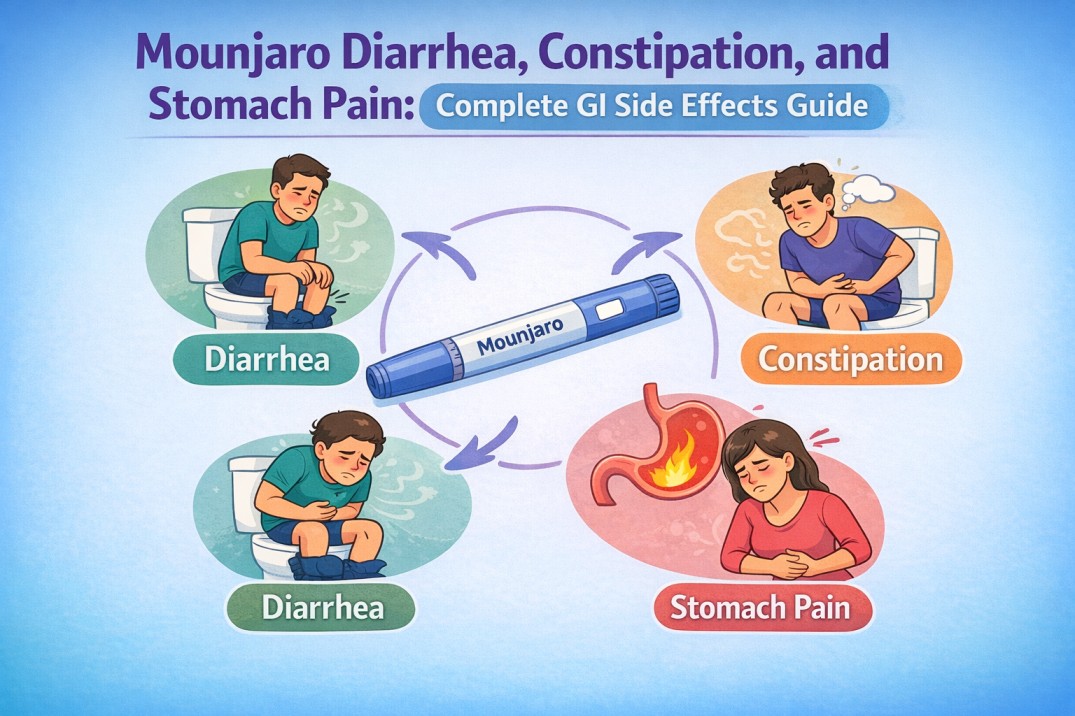
Mounjaro Diarrhea, Constipation, and Stomach Pain: Complete GI Side Effects...Read More

Mounjaro Side Effects: A Complete Guide to Understanding and Managing...Read More

Can H. Pylori Cause Stomach Cancer? Key Facts Fear is...Read More

Stomach Ulcer: Symptoms, Causes & Treatment Guide The stomach is...Read More