What Not to Take With Lansoprazole & Safe Usage Guide
By Dr. Samir Rahmani, FRCS (England), UK-Trained Laparoscopic, Bariatric & GI Surgeon, Dubai | Medically Reviewed: May 2026
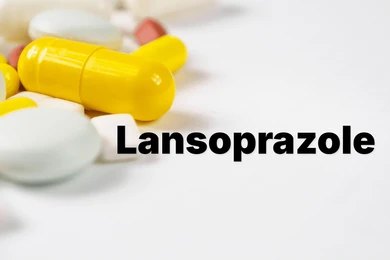
Dealing with chronic acid reflux or that persistent, burning sensation in your chest can feel like a full-time job. You’ve likely tried the quick fixes—sipping water, sleeping propped up on three pillows, or carrying a pack of antacids everywhere you go. When these stop working, many patients are prescribed a Proton Pump Inhibitor (PPI). One of the most common and effective choices in this category is lansoprazole.
But medicine isn’t just about what you take; it’s about how you take it. I often see patients in my clinic who are frustrated because their “heartburn pill” isn’t working, only to find out they are taking it with their morning coffee or right before a heavy steak dinner. Understanding what is lansoprazole and, more importantly, what not to take with lansoprazole, is the difference between constant discomfort and lasting relief.
In my years of practice, I’ve seen how much a clear plan matters. Whether you are using a brand like Lansoloc 30, Zoton, Laprazol, or Lancap capsules, the biological rules remain the same. We want to shut down the acid-producing pumps in your stomach at exactly the right time while avoiding lansoprazole interactions that can render the medication useless.
What is Lansoprazole and What are Lansoprazole Tablets For?
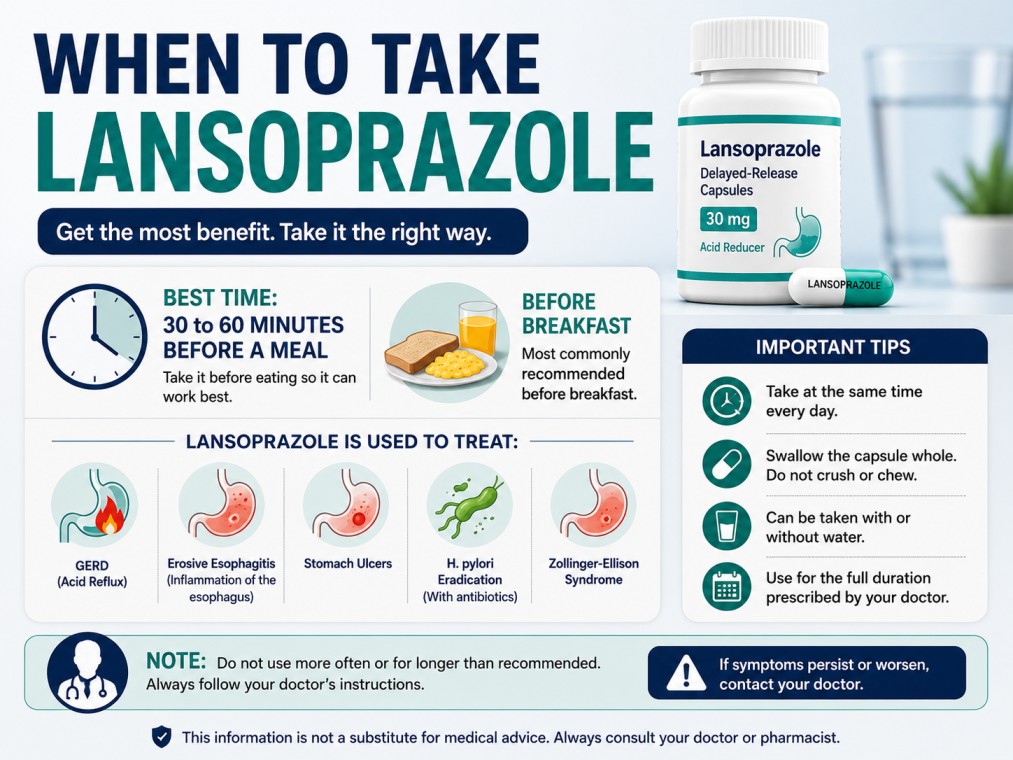
Before we talk about timing, we need to understand the tool we are using. So, what are lansoprazole tablets for? Primarily, they are used to treat conditions caused by excess stomach acid. This includes:
Acid Reflux (GERD): When acid travels up from the stomach into the esophagus.
Heartburn: That painful, burning feeling in the chest or throat.
Stomach Ulcers: Helping existing ulcers heal and preventing new ones from forming.
Zollinger-Ellison Syndrome: A rare condition where the stomach produces far too much acid.
When you look at lansoprazole uses, you’re looking at a drug that works by blocking the “proton pumps” in your stomach cells. Unlike an antacid that just neutralizes the acid already there, lansoprazole prevents the acid from being made in the first place. This is why it is often prescribed as lansoprazole 30mg gastro-resistant capsules—the “gastro-resistant” part means the pill is designed to survive your stomach acid so it can be absorbed in the small intestine.
When and How to Take Lansoprazole Safely
Timing is everything. If you take this medication at the wrong time, it’s like trying to stop a flood after the levee has already broken.
Best Time to Take Lansoprazole
The best time to take lansoprazole is first thing in the morning, at least 30 to 60 minutes before your first meal or drink (other than water).
Lansoprazole Before or After Food?
This is the most common point of confusion. Should you take lansoprazole before or after food? The answer is always before. The proton pumps in your stomach are most active when you eat. By taking the medication on an empty stomach, you ensure the drug is in your system and ready to deactivate those pumps the moment they turn on for breakfast.
If you ask, “can i take lansoprazole after food?“, the answer is yes, but it won’t be nearly as effective. If the acid is already being produced, the “pumps” are already running, and the medication will have a much harder time shutting them down.
Can You Take Lansoprazole at Night?
For patients who suffer from “nocturnal reflux”—that bitter taste or cough that wakes you up at 2 AM—you might wonder, “when to take lansoprazole at night?” While the morning is usually best, some people find relief by taking a second dose or their primary dose in the evening. However, you should still follow the rule: take it on an empty stomach, usually an hour before your evening meal.
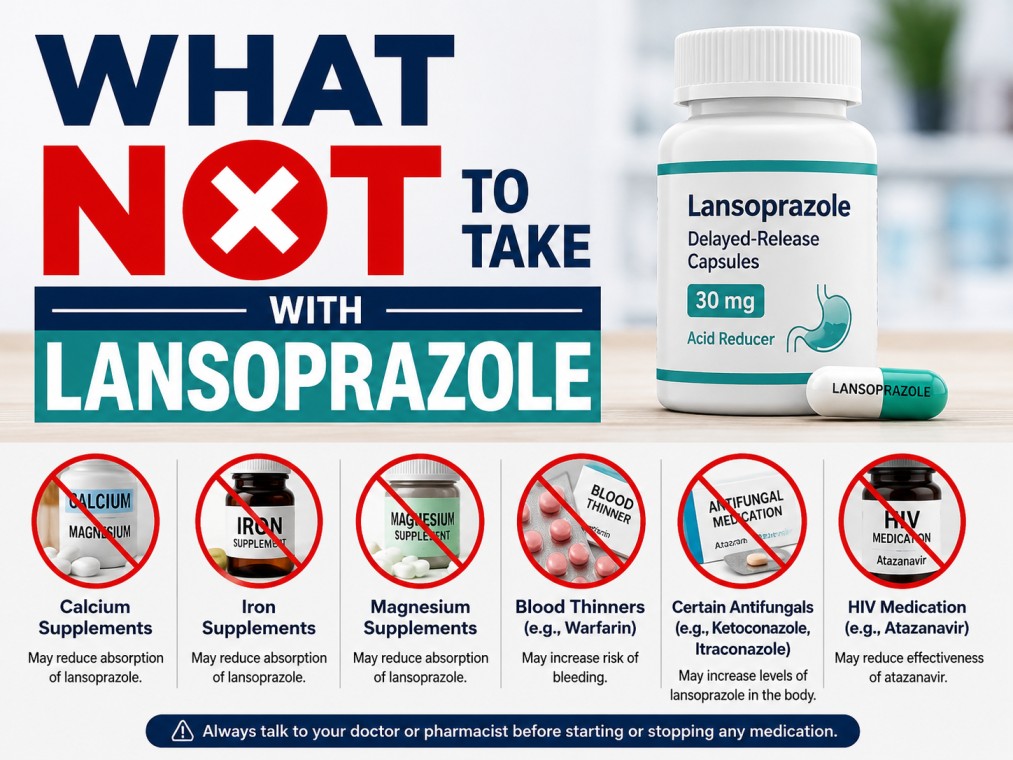
What Not to Take With Lansoprazole: Main Interactions
This is the “danger zone” of treatment. Certain substances can either stop the medication from working or cause unpleasant side effects.
Lansoprazole and Antacids (Gaviscon & Rennies)
It is very common for people to want to take lansoprazole and Gaviscon or lansoprazole and Rennies together when a flare-up happens. However, you must be careful with timing.
Antacids (like Rennies) and Alginates (like Gaviscon) can coat the stomach or neutralize acid so quickly that they interfere with how lansoprazole is absorbed.
The Rule: If you must take them, wait at least 2 hours after taking your lansoprazole before using an antacid.
Lansoprazole and Alcohol
A major lifestyle question is: can you drink alcohol with lansoprazole? There is no direct, dangerous chemical interaction between lansoprazole and alcohol. However, alcohol is a “trigger” for acid production. Drinking while trying to heal gastritis or an ulcer is like trying to put out a fire while throwing a little bit of gasoline on it. It won’t make the pill toxic, but it will make your symptoms much worse.
Lansoprazole and Omeprazole
I am often asked, “can you take omeprazole and lansoprazole together?” The answer is no. Both are PPIs. Taking them together doesn’t double the effectiveness; it only increases the risk of side effects like headaches or stomach pain. If you are comparing lansoprazole vs esomeprazole or omeprazole, discuss with Dr. Samir Rahmani which one is right for your specific gut profile.
The Biological Mechanism: How Lansoprazole Works in Your Body
To truly appreciate the importance of timing, we have to look at the microscopic level. Inside your stomach lining are parietal cells. These cells contain millions of “proton pumps” (H+/K+-ATPase enzymes). When you eat, these pumps move hydrogen ions out of the cells and into the stomach cavity, where they combine with chloride to form hydrochloric acid.
Lansoprazole travels through your bloodstream to these parietal cells. However, it is an “inactive prodrug” until it reaches the highly acidic environment of the active pump. Once there, it binds irreversibly to the pump, shutting it down. If you take the pill when the pumps are resting (long after a meal), the drug may be cleared from your system before the pumps ever turn on. This is why that 30-60 minute window before breakfast is non-negotiable for clinical success.
Side Effects of Lansoprazole: What to Expect
Most people find that lansoprazole for heartburn is well-tolerated, but like all medications, it has a footprint.
Common Side Effects: Headaches, feeling sick (nausea), diarrhea, or a dry mouth.
Does Lansoprazole Cause Bloating? Yes, for some. Because you are changing the acid levels in your stomach, the way you digest certain foods can change, which may lead to gas or bloating.
Does Lansoprazole Cause Weight Gain? There is no strong evidence that the drug directly causes weight gain. However, if your stomach feels better, you might find yourself eating more of the foods you previously avoided, which can lead to a change in weight.
Long-Term Considerations and Safety
While PPIs like lansoprazole 15mg gastro-resistant capsules are incredibly effective for short-term healing (4-8 weeks), long-term use requires medical supervision.
Stomach acid isn’t just there to cause heartburn; it’s a vital part of your immune system and nutrient absorption. Chronic suppression of acid can lead to:
Vitamin B12 Deficiency: Acid is needed to release B12 from food.
Magnesium and Calcium Issues: Long-term use can slightly increase the risk of bone fractures in older adults.
Infections: Lower acid levels mean fewer bacteria are killed in the stomach, which can rarely lead to an overgrowth of C. difficile in the gut.
Dr. Samir Rahmani always reviews long-term prescriptions to ensure you are on the “lowest effective dose” for the “shortest necessary time.”
Pregnancy and OTC Options
Lansoprazole Pregnancy
Can you take lansoprazole when pregnant? Generally, we prefer to use other options like antacids or ranitidine-alternatives first. However, if those don’t work, lansoprazole pregnancy use is usually considered safe under a doctor’s supervision. Always consult your obstetrician before starting any PPI.
Over the Counter (OTC)
Can you buy lansoprazole over the counter? In many regions, including the UK and UAE, you can find low-dose versions (15mg) at pharmacies. You might ask, “can i buy lansoprazole over the counter at Boots?” Yes, but these are intended for short-term (up to 2 weeks) relief of heartburn. If you need it longer, you need a clinical diagnosis to rule out more serious issues like H. pylori or Barrett’s Esophagus.
Final Thoughts from Dr. Samir Rahmani
Lansoprazole is a powerful tool for reclaiming your quality of life from the grip of acid reflux. But a tool is only as good as its user. By taking your Lansoloc 30 at the right time—before breakfast—and avoiding the common lansoprazole interactions with antacids and alcohol, you are setting yourself up for success.
If you are struggling with persistent symptoms despite taking your medication correctly, it may be time for a deeper look. Digestive health is a balance, and sometimes we need to adjust more than just a pill—we need to look at the whole picture.

About the author
Dr. Samir Rahmani
FRCS (England)
CCT General Surgery (UK)
MD — University of Leeds
MSc Surgery — University of Hull
27+ years experience
5,000+ procedures
Dr. Samir Rahmani is a UK-trained consultant surgeon with 27+ years of experience in bariatric, gastrointestinal, and laparoscopic surgery. He completed advanced surgical training in the UK and previously served at Aneurin Bevan University Health Board (NHS Wales).
He holds an MD in Surgery from the University of Leeds and is JAG-accredited in GI endoscopy. Currently practicing in the UAE, he focuses on evidence-based, minimally invasive care, including H. pylori diagnosis and treatment.
Frequently Asked Questions What Not to Take With Lansoprazole
It isn’t instant. You might feel some relief in a few hours, but it usually takes 2 to 3 days of consistent use to feel the full effect.
Yes. Can you take paracetamol with lansoprazole? Absolutely. There is no known interaction. However, avoid ibuprofen or aspirin, as these can irritate the stomach lining.
Yes. If you have stomach cramps alongside reflux, taking lansoprazole and Buscopan is generally safe as they work on different parts of the digestive process.
Yes. Many patients find that taking probiotics with lansoprazole helps manage some of the lansoprazole side effects like bloating or changes in bowel habits.
While is lansoprazole safe for most, long-term use (years) requires regular check-ups. Dr. Samir Rahmani will usually review your need for the medication every 6 to 12 months.
Take it as soon as you remember, unless it is almost time for your next dose. Do not “double up” to make up for a missed one.
Wait at least 30 minutes. Drinking water immediately can wash away the protective “raft” that Gaviscon creates to stop acid from rising.
Bad experiences with lansoprazole are often due to taking the medication at the wrong time (after food) or having a sensitivity to the “gastro-resistant” coating. Switching to a different brand or a different PPI often solves the problem.
If you have trouble swallowing, you can usually open the lansoprazole 30 mg capsules and sprinkle the granules onto a spoonful of yogurt or apple juice. Do not chew the granules, as this destroys the protective coating.
Yes, the same rule applies: wait 2 hours between the PPI and the Gaviscon.
Some people experience “rebound acid secretion.” This is when the stomach tries to overcompensate for the suppressed acid once you stop the medication. It’s often best to “taper” the dose (moving from lansoprazole 30mg to lansoprazole 15mg) rather than stopping cold turkey.
Yes, but it’s usually redundant. Gaviscon creates a physical “raft” on top of the stomach contents, while Rennies neutralizes the acid. Taking Gaviscon and Rennies together isn’t harmful, but it’s often better to choose one that works for you. Note: If you use Gaviscon, can i lay down after taking Gaviscon? Ideally, no. You should stay upright for at least 30 minutes to allow the “raft” to form properly.
Medical Disclaimer
This article is for informational purposes only and is not a substitute for professional medical advice, diagnosis, or treatment. Always seek the advice of a qualified health provider with any questions you may have regarding a medical condition.
Medically reviewed by Dr. Samir Rahmani.