
Mounjaro Diarrhea, Constipation, and Stomach Pain: Complete GI Side Effects Guide
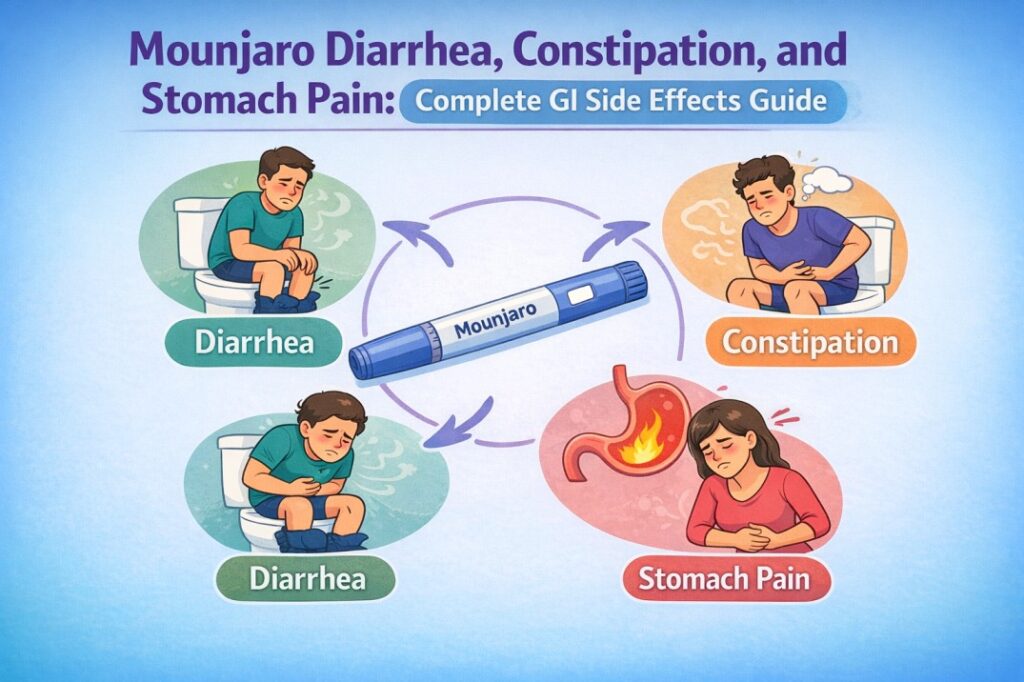
Mounjaro causes diarrhea, constipation, and stomach pain because it activates GLP-1 receptors that slow gastric emptying and alter intestinal motility. Diarrhea on Mounjaro affects 12-17% of users, constipation affects 6-11%, and stomach pain affects 5-8%. These GI side effects typically peak during the first 4-8 weeks and improve as your body adjusts to the medication.
As a bariatric surgeon in Dubai specializing in weight loss treatments, I help patients navigate these common challenges every day. This guide provides evidence-based strategies for managing Mounjaro GI side effects effectively.
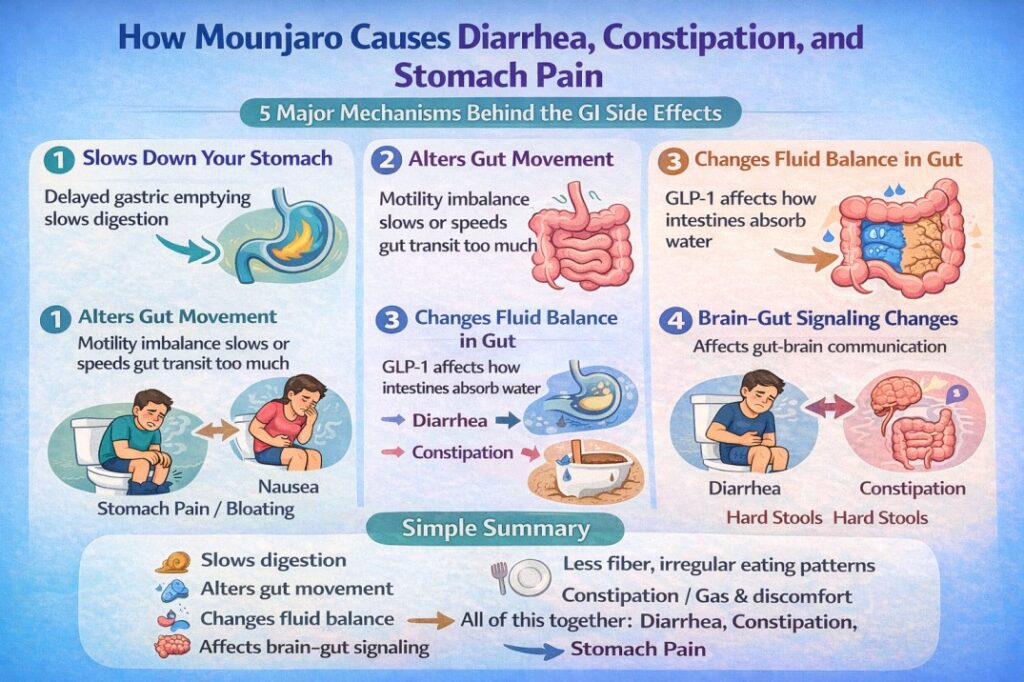
Why Does Mounjaro Cause Gastrointestinal Side Effects?
Understanding why Mounjaro causes diarrhea, constipation, and stomach pain helps you manage these symptoms more effectively.
The Science Behind Mounjaro GI Effects
Mounjaro (tirzepatide) works by activating both GIP and GLP-1 receptors. GLP-1 activation has several effects on your digestive system that directly cause GI symptoms:
Delayed gastric emptying: Food stays in your stomach longer, causing fullness and sometimes nausea
Altered intestinal motility: Changes in how quickly food moves through your intestines can cause either diarrhea or constipation
Reduced appetite signals: Your brain receives signals to eat less, which changes your entire digestive rhythm
Changes in bile acid secretion: This affects fat digestion and can contribute to loose stools
Gut hormone changes: Multiple digestive hormones are affected, altering the normal digestive process
Mounjaro Diarrhea: Causes, Duration, and Treatment
Why Does Mounjaro Cause Diarrhea?
Diarrhea on Mounjaro occurs because the medication affects how your intestines absorb water and move contents through your digestive tract. When gastric emptying slows dramatically, your intestines may respond by increasing fluid secretion, leading to loose or watery stools.
How Long Does Diarrhea Last on Mounjaro?
For most patients, Mounjaro diarrhea improves significantly within 2-4 weeks at a stable dose. However, symptoms may temporarily return after each dose increase. If diarrhea persists beyond 4-6 weeks or becomes severe (more than 4-6 loose stools daily), consult your healthcare provider.
Mounjaro Diarrhea Treatment: Evidence-Based Approaches
Dietary modifications:
Follow a BRAT diet during acute episodes (bananas, rice, applesauce, toast)
Avoid dairy products, which can worsen diarrhea
Reduce fiber intake temporarily until symptoms improve
Eliminate caffeine and alcohol, which stimulate bowel movements
Avoid artificial sweeteners like sorbitol that can cause osmotic diarrhea
Hydration and electrolytes:
Drink clear fluids frequently in small amounts
Consider oral rehydration solutions if diarrhea is frequent
Monitor for signs of dehydration: dark urine, dizziness, dry mouth
Aim for at least 2-3 liters of fluid daily
Medical interventions:
Over-the-counter anti-diarrheal medications (loperamide) may be used for the short term
Probiotics may help restore gut bacteria balance
Your doctor may recommend slower dose titration if diarrhea is severe
Constipation on Mounjaro: Why It Happens and How to Fix It
Does Mounjaro Cause Constipation?
Yes, Mounjaro causes constipation in approximately 6-11% of patients. This occurs because the medication dramatically slows gastric emptying, which in turn slows the entire digestive transit. When food moves more slowly through your system, your body extracts more water from stool, making it harder to pass.
Mounjaro Constipation Treatment
Dietary strategies:
Gradually increase fiber intake to 25-35 grams daily
Include prunes, prune juice, or dried fruits, which have natural laxative effects
Eat fibrous vegetables: broccoli, leafy greens, beans, lentils
Choose whole grains over refined carbohydrates
Add ground flaxseed or chia seeds to smoothies or yogurt
Lifestyle modifications:
Drink at least 8-10 glasses of water daily
Exercise regularly – even a 20-minute daily walk helps stimulate bowel movements
Establish a regular bathroom routine, especially after meals
Never ignore the urge to have a bowel movement
Supplements and medications:
Psyllium husk (Metamucil) or methylcellulose fiber supplements
Magnesium citrate can help draw water into the intestines
Polyethylene glycol (MiraLAX) is safe for occasional use
Consult your doctor before using stimulant laxatives regularly
Mounjaro Stomach Pain: Understanding and Managing Abdominal Discomfort
What Causes Mounjaro Stomach Pain?
Stomach pain with Mounjaro is typically due to delayed gastric emptying. When food sits in your stomach longer than usual, it can cause feelings of fullness, bloating, and discomfort. Additionally, changes in gut hormones can affect how your digestive system processes food.
Types of Abdominal Discomfort on Mounjaro
Upper abdominal fullness: Feeling overly full even after small meals
Bloating: Abdominal distension and gas
Cramping: Mild to moderate intestinal cramping, especially after eating
Acid reflux or heartburn: Stomach contents backing up into the esophagus
General discomfort: A vague sense of digestive upset
Mounjaro Stomach Pain Relief
Eating strategies:
Eat very small portions – your effective stomach capacity is reduced
Chew food thoroughly to aid digestion
Stop eating at the first sign of fullness
Avoid lying down for at least 2-3 hours after meals
Space meals 4-5 hours apart to allow full digestion
Foods to avoid:
Large meals of any kind
High-fat foods, which slow digestion further
Carbonated beverages which increase bloating
Foods known to cause gas: beans, cruciferous vegetables, onions
When stomach pain may indicate a serious problem:
Severe, constant pain that does not improve with dietary changes
Pain accompanied by fever
Pain radiating to your back (possible pancreatitis)
Blood in stool or black, tarry stools
Inability to keep any food or fluids down for more than 24 hours
Mounjaro Nausea Relief: Practical Strategies That Work
Nausea is the most common side effect of Mounjaro, but effective management strategies can significantly reduce its impact on your daily life.
Why Mounjaro Causes Nausea
Mounjaro causes nausea primarily by altering gastric emptying. When food stays in your stomach longer, it triggers feelings of fullness and queasiness. The brain’s appetite centers are also affected, contributing to feelings of nausea, especially after eating.
Mounjaro Nausea Relief Strategies
Immediate relief techniques:
Ginger tea, ginger chews, or ginger supplements have proven anti-nausea effects
Peppermint tea or peppermint aromatherapy can soothe the stomach
Fresh air and gentle movement sometimes help more than lying still
Cold foods are often better tolerated than hot foods
Sipping small amounts of clear, cold fluids throughout the day
Timing strategies:
Take your injection in the evening so peak side effects occur during sleep
Eat your largest meal earlier in the day when nausea tends to be less severe
Keep bland snacks like crackers available for when nausea strikes
Medical options:
Ondansetron (Zofran) can be prescribed for severe nausea
Metoclopramide may help with both nausea and gastric emptying
Your doctor may recommend slowing your dose titration schedule
Struggling with Mounjaro GI Side Effects?
Dr. Samir Rahmani and his team provide personalized support for patients experiencing difficult side effects. We can help optimize your treatment plan for better tolerability.
Conclusion: Managing Mounjaro GI Side Effects Effectively
Experiencing mounjaro diarrhea, constipation on mounjaro, or mounjaro stomach pain can feel challenging, especially in the initial weeks of treatment. However, these side effects are common and usually temporary as your body adjusts to tirzepatide.
With the right approach—including dietary adjustments, proper hydration, lifestyle changes, and medical guidance—most patients can successfully manage symptoms and continue benefiting from the medication. Understanding why does mounjaro cause diarrhea and other digestive issues also helps you take proactive steps to reduce discomfort.
If your symptoms are persistent, severe, or affecting your daily life, it is important to seek professional advice. Personalized guidance can make a significant difference in both safety and long-term results.
If you are struggling with side effects or need expert advice on weight loss treatments, consult Dr. Samir Rahmani for tailored, evidence-based care.

About the author
Dr. Samir Rahmani
FRCS (England)
CCT General Surgery (UK)
MD — University of Leeds
MSc Surgery — University of Hull
24+ years experience
5,000+ procedures
Dr. Samir Rahmani is a UK-trained consultant surgeon with 27+ years of experience in bariatric, gastrointestinal, and laparoscopic care. He completed advanced surgical training in the UK and previously served at Aneurin Bevan University Health Board (NHS Wales).
He holds an MD in Surgery from the University of Leeds and is JAG-accredited in GI endoscopy. Currently practicing in the UAE, he provides evidence-based guidance on weight loss treatments, including medications like Mounjaro (tirzepatide), with a focus on managing gastrointestinal side effects such as diarrhea, constipation, nausea, and stomach discomfort.
Frequently Asked Questions: Mounjaro GI Side Effects
Mounjaro diarrhea typically lasts 2-4 weeks after starting the medication or increasing your dose. Most patients find that their symptoms improve significantly as their body adjusts. If diarrhea persists beyond 4-6 weeks or is severe, contact your healthcare provider.
While most patients experience mild to moderate diarrhea, severe diarrhea can occur. If you have more than 4-6 loose stools daily, signs of dehydration, or bloody stools, seek medical attention. Severe diarrhea may require dose adjustment or additional treatment.
Constipation on Mounjaro occurs because the medication slows gastric emptying and overall digestive transit. This allows more water to be absorbed from the stool, making it harder. Increasing fiber, fluids, and physical activity usually helps resolve this issue.
Yes, bloating and gas are common with Mounjaro due to delayed digestion. Eating smaller meals, avoiding gas-producing foods, and staying active can help reduce these symptoms.
You should not stop Mounjaro without consulting your doctor. However, seek immediate medical attention for severe abdominal pain, signs of pancreatitis (pain radiating to the back), severe dehydration, or allergic reactions. Your doctor can help determine if dose adjustment or discontinuation is appropriate.
Medical Disclaimer
This article is for informational purposes only and is not a substitute for professional medical advice, diagnosis, or treatment. Always seek the advice of a qualified health provider with any questions you may have regarding a medical condition.
Medically reviewed by Dr. Samir Rahmani.
MORE ARTICLES
Mounjaro Long-Term Side Effects: Cancer Risk, Safety Concerns, and What...Read More
Mounjaro Diarrhea, Constipation, and Stomach Pain: Complete GI Side Effects...Read More

Mounjaro Side Effects: A Complete Guide to Understanding and Managing...Read More

Can H. Pylori Cause Stomach Cancer? Key Facts Fear is...Read More