Why Take Famotidine at Night?
By Dr. Samir Rahmani, FRCS (England), UK-Trained Laparoscopic, Bariatric & GI Surgeon, Dubai | Medically Reviewed: Sept 2025

Wondering why taking famotidine at night is often recommended? You’re not alone. Many patients experience better relief from acid reflux and heartburn when they take their dose before bedtime. In this expert guide by Dr. Samir Rahmani, we’ll explain the benefits of nighttime dosing, optimal usage, effectiveness, and how it compares to other acid-reducing medications.
Whether you’re managing GERD, frequent heartburn, or ulcers, this comprehensive guide will help you understand when to take famotidine, how fast it works, when it’s best taken, and how it compares to alternatives like Pepcid and Zantac 360.

What Is Famotidine Used For?
So, what does famotidine do? It suppresses acid production, often by up to 70% – making it highly effective in both short-term and chronic treatment settings.
Patients often ask:
- What is famotidine taken for? To relieve and prevent excess stomach acid.
- What is famotidine good for? Nighttime reflux, daily GERD control, and ulcer prevention.
- Does famotidine cause weight loss or tiredness? No. There is no clinical evidence that it causes either.
- Is famotidine safe to take every day? Yes, under medical supervision.
Why Take Famotidine at Night?
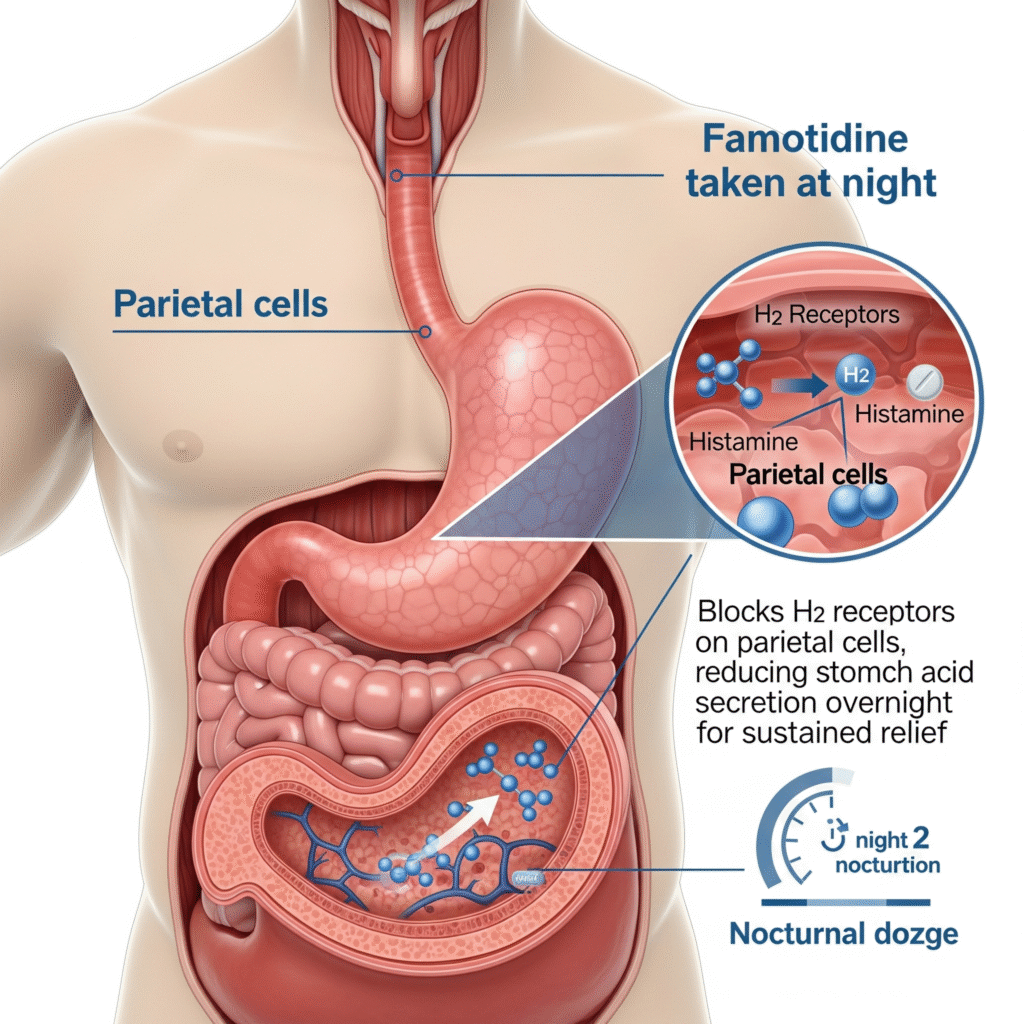
If you’ve been prescribed famotidine and are wondering why take famotidine at night, there’s a simple reason acid reflux symptoms tend to worsen when you lie down. Taking famotidine before bedtime:
Reduces nighttime heartburn
Improves sleep quality
This is especially helpful for people suffering from GERD or hiatal hernia, where acid is more likely to back up into the esophagus when lying flat.
The best time to take famotidine for GERD or hiatal hernia is at night, especially if your symptoms flare after dinner or disturb your sleep. By taking it in the evening, famotidine helps provide consistent relief throughout the night.
Famotidine Morning or Night?
Many people ask: “Famotidine morning or night?”
If your doctor recommends taking famotidine once a day, it is generally advised to take it at night.
If instructed twice daily, then morning and night dosing is ideal for round-the-clock symptom management.
Always follow your healthcare provider’s instructions.
Should Famotidine Be Taken with Food?
Another common question is: Should famotidine be taken with food? The answer is it can be taken with or without food. Food doesn’t significantly affect how famotidine works, so it’s more about personal comfort and routine. Some people find it easier to remember taking it with meals, while others prefer taking it before bed.
Should I Take Famotidine on an Empty Stomach?
Yes, you can take famotidine on an empty stomach. In fact, for many people, taking it consistently at the same time each day, whether with or without food, is more important than the actual food intake itself. Taking it regularly helps maintain stable acid suppression.
Famotidine Before or After Meal?
If you’re wondering whether to take famotidine before or after a meal, it is often best taken 30 to 60 minutes before eating, especially if you are anticipating a trigger meal (spicy, acidic, or high-fat foods). Similarly, taking it before bedtime can prevent nighttime acid reflux. This preemptive use allows famotidine to block acid production before it begins.
What’s the Best Way to Take Famotidine?
To get the most out of this medication, it’s important to understand the best way to take famotidine. For optimal results, take it at the same time each day, ideally before a meal or at bedtime, depending on your doctor’s instructions. Taking famotidine at night is especially effective for those who experience acid reflux while sleeping, as it helps control acid levels throughout the night. Be consistent with your dosing schedule, and try not to skip doses, as this could reduce its effectiveness.
Dosage and Frequency of Famotidine
Understanding how to take famotidine correctly is key to managing conditions like acid reflux, heartburn, and gastritis effectively. So, how often can you take famotidine? In most cases, adults can take it up to twice a day—typically one dose in the morning and one at night. A common regimen includes 20 mg every 12 hours, especially for those with persistent symptoms.
Many patients ask, “Can I take famotidine twice a day?” Yes, that is the standard frequency for both prescription and over-the-counter usage. However, the actual dose may vary based on your medical history and the condition being treated. For instance, taking 40 mg in one day is safe if prescribed, and it may be recommended in cases of more severe acid production.
“Can I take two famotidine at once?” This is only advisable under a doctor’s supervision. Doubling the dose isn’t always the solution and could increase the risk of side effects.
If you’re wondering, “Is it safe to take famotidine every day?” — the answer is generally yes, particularly for chronic conditions like GERD. In such cases, long-term use is often necessary to maintain acid control and prevent damage to the esophagus.
In some rare cases, doctors may recommend up to 60 mg of famotidine per day, but this is not typical and should only be done under close medical supervision, especially for those with kidney conditions or the elderly.
For those dealing with gastritis, Pepcid AC (an OTC version of famotidine) is a common and effective solution. Be sure to follow the dosage instructions provided on the label, and if symptoms persist, consult a healthcare provider for a personalized treatment plan.
Famotidine and Alcohol, Food, or Other Medications
Can you take Pepcid with alcohol?
Occasionally, yes. Taking Pepcid (famotidine) with alcohol isn’t typically dangerous, but regular use of both together should be discussed with your doctor, especially if you have a history of stomach issues or liver problems.
Can you take famotidine on an empty stomach?
Yes, you can take famotidine with or without food. However, it’s best to take it consistently at the same time each day, whether before or after meals, to maintain stable relief from acid production.
When should I take famotidine before drinking alcohol?
If you’re trying to prevent acid reflux symptoms triggered by alcohol, it’s generally recommended to take famotidine about 30 minutes before drinking. However, this is not a long-term solution and should be used sparingly.
Does taking Pepcid before drinking help?
Some people find that taking Pepcid (famotidine) before alcohol can help reduce the likelihood of heartburn or acid flare-ups. Still, it’s not a guaranteed fix and shouldn’t be used to mask frequent alcohol-related symptoms.
How soon after taking levothyroxine can I take famotidine?
To avoid interference with absorption, you should wait at least 4 hours after taking levothyroxine before taking famotidine. This spacing helps ensure that both medications are absorbed properly.
Can you take lansoprazole and famotidine together?
In certain cases, yes. Your doctor might prescribe both medications if you’re experiencing persistent or severe acid reflux symptoms. Lansoprazole is a proton pump inhibitor (PPI), while famotidine is an H2 blocker. Using both can provide broader symptom relief, but only under medical guidance.
Pepcid vs Famotidine: Is There a Difference?
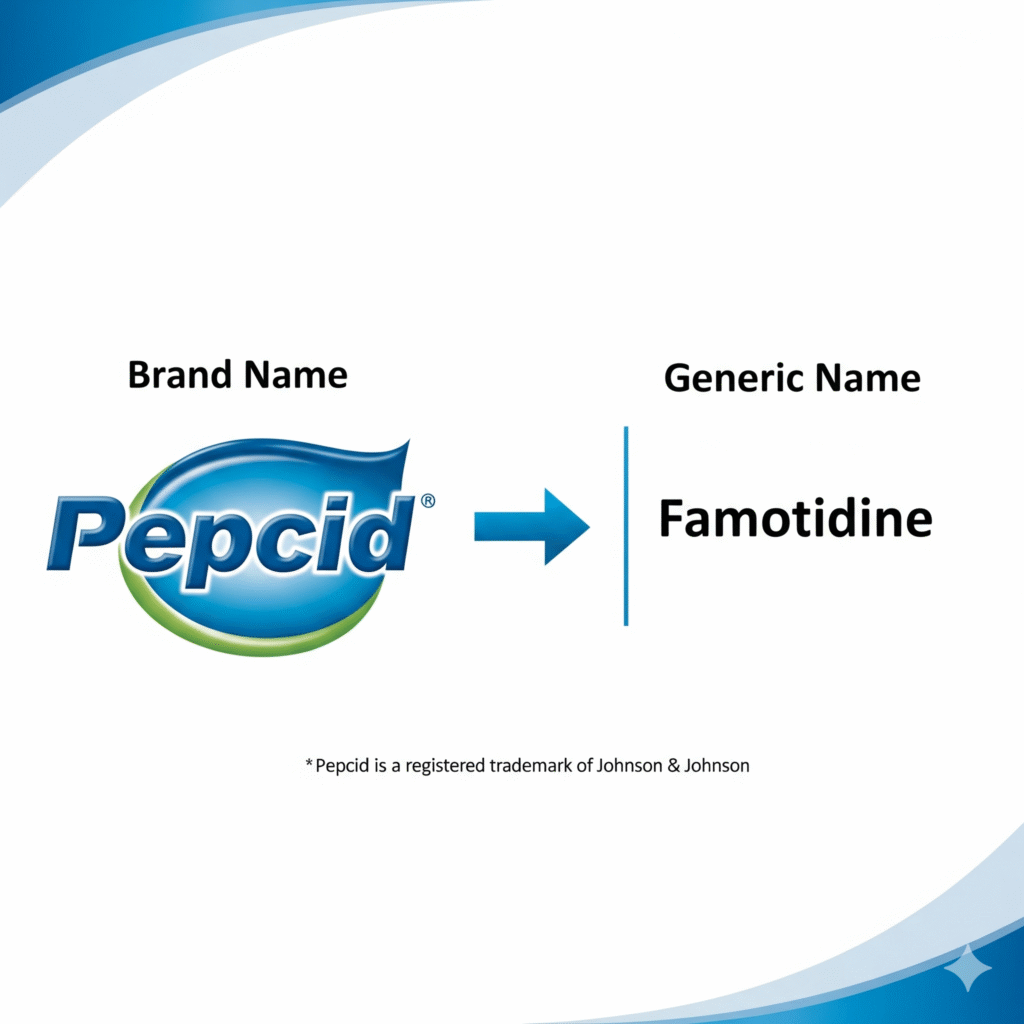
Many people wonder whether there’s a difference between Pepcid and famotidine. In reality, Pepcid is simply the brand name for the drug famotidine. Both contain the same active ingredient and deliver identical effects when it comes to reducing stomach acid. Whether you choose a brand-name product like Pepcid or a generic version labeled as famotidine, the results are essentially the same. Your choice may come down to pricing or personal preference, but both are effective in treating acid-related conditions.
When Should You Take Pepcid for Maximum Effectiveness?
To get the most benefit from Pepcid, it’s typically recommended to take it about 30 to 60 minutes before meals or before going to bed. This timing helps reduce the production of stomach acid before it spikes during digestion. If you’re using Pepcid to prevent heartburn or acid reflux triggered by eating, pre-meal dosing can be especially helpful.
Does Pepcid Cause Drowsiness or Fatigue?
One of the advantages of Pepcid is that it generally doesn’t cause drowsiness. Unlike some medications that affect the central nervous system, famotidine rarely leads to sleepiness or fatigue. Most users can take Pepcid during the day or night without worrying about feeling tired or sluggish. However, as with any medication, individual reactions can vary, so if you notice unusual side effects, consult your doctor.
Can Pepcid Be Taken Every Day?
Yes, Pepcid can be taken daily, but only under medical supervision. Long-term use of acid reducers like famotidine should be guided by a healthcare provider to ensure it’s treating the root cause of symptoms without masking something more serious. Overuse without a clear diagnosis can sometimes lead to complications or nutrient absorption issues, so ongoing symptoms should always be evaluated by a professional.
Is It Safe to Take Pepcid Twice a Day?
In some cases, your doctor may recommend taking Pepcid twice daily—once in the morning and once at night—especially for managing conditions like GERD or peptic ulcers. This split dosing helps maintain steady acid control throughout the day and night. However, the dosage and frequency should always be tailored to your condition and prescribed by a healthcare provider.
Zantac and Alternative Medications
How often can you take Zantac 360?
Zantac 360, which is a newer formulation containing famotidine instead of ranitidine, can be taken up to twice daily, depending on your symptoms and the advice of your healthcare provider. Many individuals take it once before meals or before bedtime to prevent nighttime heartburn. Always follow the dosage instructions on the packaging or consult a doctor for personalized guidance.
Zantac vs. Famotidine – What’s the difference?
The original Zantac (ranitidine) was removed from many markets, including the U.S., after concerns emerged about possible contamination with a substance called NDMA, which may increase cancer risk. Since then, famotidine has become the go-to alternative. Famotidine, now found in Zantac 360 and Pepcid, has a strong safety profile and is widely recommended for managing GERD, acid reflux, and heartburn without the risks associated with ranitidine. In essence, while Zantac and famotidine once referred to two different active ingredients, Zantac 360 now contains famotidine, making it a safe and effective option for most patients.
Combination Therapy and Other Concerns
Can you take Prevacid and Pepcid together?
Yes, in certain cases, your doctor may recommend taking Prevacid (lansoprazole) and Pepcid (famotidine) together. This combination approach is sometimes used to manage severe acid reflux or GERD that does not respond to a single medication. Prevacid is a proton pump inhibitor (PPI) that reduces stomach acid production, while Pepcid is an H2 blocker that also lowers acid levels but through a different mechanism. However, combining them should only be done under medical supervision to avoid side effects or drug interactions.
Is it safe to take lansoprazole at night?
Taking lansoprazole at night is sometimes advised for patients who experience nighttime acid reflux or symptoms that worsen after dinner. Although most people take it in the morning, nighttime dosing can help manage symptoms that disturb sleep. Always consult your healthcare provider to determine the best timing for your medication based on your condition.
When should you take lansoprazole at night for best results?
If your doctor recommends taking lansoprazole at night, it’s usually best to take it 30 minutes before your evening meal or at least before bedtime on an empty stomach. This ensures the medication has enough time to reduce acid production before digestion begins, providing better symptom control overnight.
Frequently Asked Questions
It’s generally best to take famotidine before eating, especially if you’re trying to prevent symptoms like heartburn. Taking it 15–60 minutes before meals or before bedtime can offer better control over acid production.
Only if specifically advised by your doctor. While the standard dose is typically 10–20 mg once or twice daily, doubling up without guidance can lead to unwanted side effects or reduced effectiveness over time.
Yes, famotidine is commonly used to manage mild to moderate GERD symptoms. It reduces stomach acid and helps relieve discomfort like heartburn, acid regurgitation, and indigestion. However, long-term or severe GERD may require stronger medications like pantoprazole.
Follow the label instructions for over-the-counter use. For adults and children over 12, it’s usually recommended to take one tablet before eating to prevent symptoms, or after eating to relieve them. If prescribed, follow your doctor’s specific dosage plan.
Conclusion
Taking famotidine at night can offer powerful relief from acid reflux and GERD symptoms especially while you sleep. It’s fast-acting, long-lasting, and effective whether you’re using Pepcid, famotidine, or combining it with other therapies.
When used correctly, famotidine not only soothes discomfort but actively helps heal the esophagus, manage chronic conditions, and reduce the risk of ulcers and long-term acid damage.
For expert care and customized treatment options, consult Dr. Samir Rahmani, a UK-trained consultant bariatric, laparoscopic, and general surgeon. Dr. Rahmani is a pioneer in minimally invasive and surgical weight loss procedures, helping patients overcome obesity-related conditions and improve overall health. His expertise includes managing issues such as acid reflux, GERD, and other digestive disorders, ensuring patients achieve lasting health and an enhanced quality of life.
📞 Take control of your digestive health today—visit www.drsamirrahmani.com to book your personalized consultation.

About the author
Dr. Samir Rahmani
FRCS (England)
CCT General Surgery (UK)
MD — University of Leeds
MSc Surgery — University of Hull
27+ years experience
5,000+ procedures
Dr. Samir Rahmani is a UK-trained consultant surgeon with 27+ years of experience in bariatric, gastrointestinal, and metabolic health management. He completed advanced surgical training in the UK and previously served at Aneurin Bevan University Health Board (NHS Wales).
He holds an MD in Surgery from the University of Leeds and is JAG-accredited in GI endoscopy. Currently practicing in the UAE, he provides evidence-based guidance on weight loss treatments, including medications like Mounjaro (tirzepatide), with a focus on monitoring organ-related side effects involving the thyroid, kidneys, eyes, and liver to ensure safe and personalised care.
Medical Disclaimer
This article is for informational purposes only and is not a substitute for professional medical advice, diagnosis, or treatment. Always seek the advice of a qualified health provider with any questions you may have regarding a medical condition.
Medically reviewed by Dr. Samir Rahmani.