Best Proton Pump Inhibitor With Least Side Effects
Finding Relief, Gently: Best Proton Pump Inhibitor with the Least Number of Side Effects
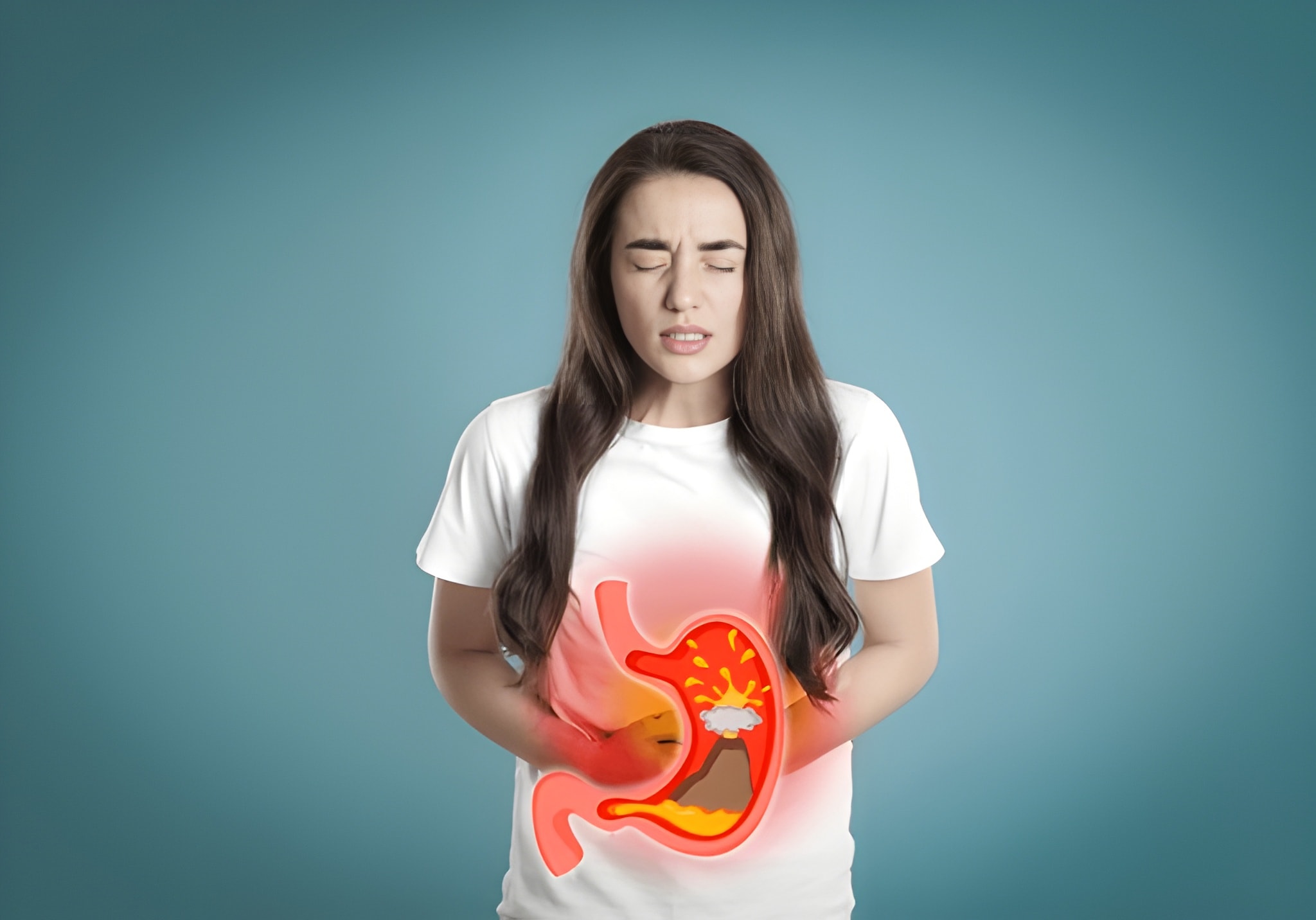
When it comes to managing acid reflux, GERD (Gastroesophageal Reflux Disease), or frequent heartburn, proton pump inhibitors (PPIs) are often a go-to treatment. These medications work by reducing the amount of acid your stomach produces, offering relief and healing to those who struggle with acid-related conditions. But with several types and brands on the market, many patients ask about the best proton pump inhibitor with least side effects.
At Dr. Samir Rahmani’s clinic, we believe that knowledge is key to making empowered choices. In this blog, we’ll walk you through everything you need to know—from types of PPIs and their effectiveness to natural and gentler alternatives. Let’s explore how you can find the right balance between relief and safety.
What is PPI Medication?
Proton pump inhibitors, commonly known as PPIs, are medications designed to suppress the production of stomach acid by blocking the enzyme system of gastric cells that produce acid.
They are frequently prescribed for conditions like:
GERD (Gastroesophageal Reflux Disease)
Peptic ulcers
Zollinger-Ellison syndrome
Erosive esophagitis
These medications offer a longer duration of acid suppression than other treatments like antacids or H2 blockers, making them highly effective for chronic acid-related issues.
Common PPI Medications and Their Brand Names
There are several types of proton pump inhibitors OTC available; some by prescription and others over the counter (OTC). Get in touch with your physician to enquire about the most common PPI medications that suit and address your symptoms in the best possible way.
The most common globally used PPI brands have subtle differences in how they are absorbed and tolerated.
Which is the best proton pump inhibitor with least side effects?
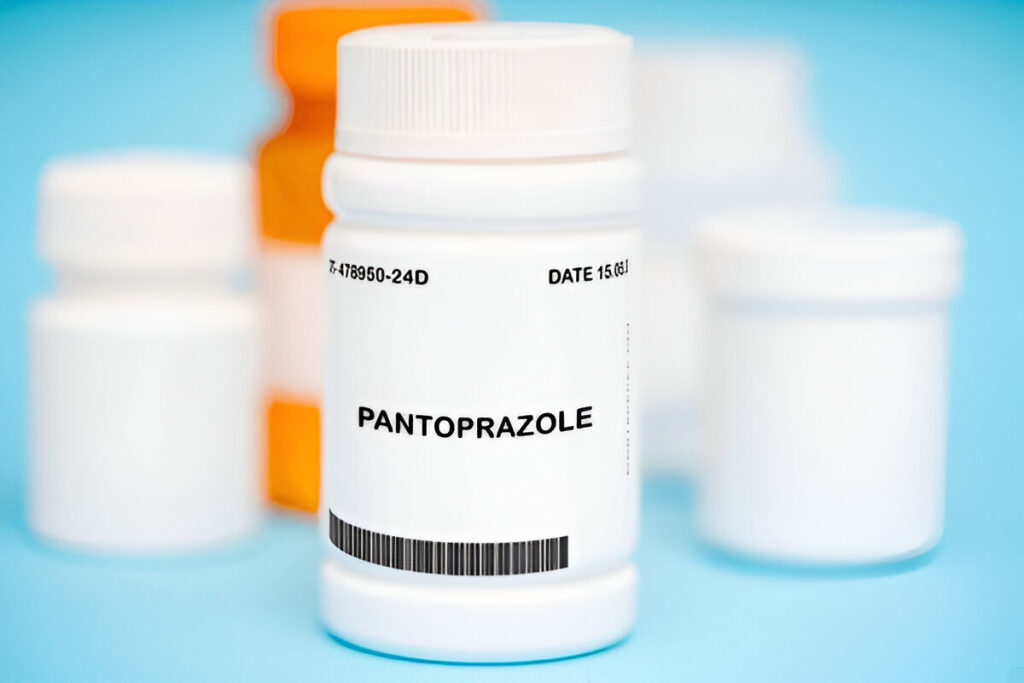
While all PPI options work in a similar way, the side effects and tolerability can vary slightly from person to person. Based on clinical experience and patient feedback at Dr. Samir Rahmani’s practice, Pantoprazole (Protonix) is often considered one of the gentlest options with fewer interactions and minimal side effects.
Here’s why Pantoprazole stands out:
It has a lower potential for interacting with other medications (important for those on multiple drugs).
It’s less likely to affect the liver enzymes that metabolize other drugs.
It has shown good long-term tolerability in many patients.
However, what works best for one individual might not suit another. Personal factors such as age, existing health conditions, and concurrent medications all play a role.
PPIs for GERD: Tailoring Relief to the Individual
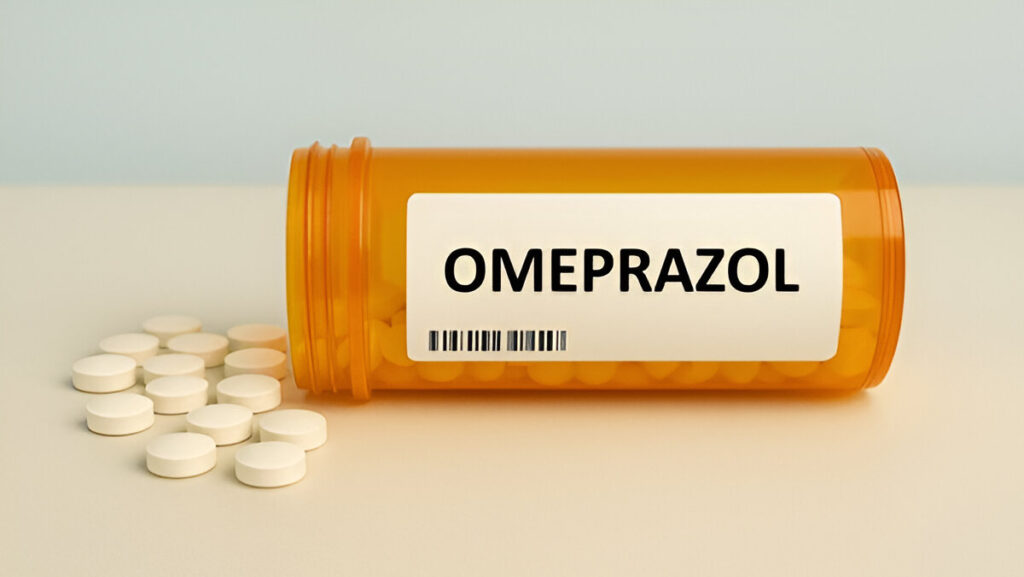
For those living with GERD, PPIs can significantly improve quality of life. In many cases, doctors like Dr. Samir Rahmani may begin treatment with Omeprazole or Esomeprazole due to their strong acid-suppressing effects. These are also available as OTC PPI medications, making them accessible for milder symptoms.
If patients don’t tolerate these well, switching to Lansoprazole or Pantoprazole often yields good results with reduced gastrointestinal side effects.
Several proton pump inhibitors are available over the counter in lower doses.
Here are some of the names of PPIs:
Omeprazole (Prilosec OTC)
Lansoprazole (Prevacid 24HR)
Esomeprazole (Nexium 24HR)
While effective, OTC versions are intended for short-term use (typically 14 days) unless advised otherwise by your doctor. Long-term or frequent symptoms should always be evaluated by a specialist.
Natural Alternatives to PPIs: Gentle Ways to Support Digestion
Not everyone wants or needs to rely on medication long-term. Dr. Samir Rahmani encourages a holistic approach when appropriate, combining lifestyle adjustments and natural remedies with or instead of medication.
Some natural PPI alternatives include:
Dietary changes: Avoiding trigger foods like spicy meals, caffeine, chocolate, and fatty foods.
Elevating the head during sleep: Helps prevent nighttime reflux.
Aloe vera juice: May soothe the esophagus and reduce irritation.
Licorice root (DGL): Supports mucosal lining without affecting acid production.
Probiotics: Improve gut health and balance digestion.
These alternatives to proton pump inhibitors can be helpful, especially for mild symptoms or as a supplement to medical therapy.
Alternatives to PPIs: When They’re Not the Right Fit
For patients who experience side effects or for whom PPIs are not suitable, several other acid-reducing options are available:
H2 blockers: Such as ranitidine (now largely withdrawn) or famotidine (Pepcid). These reduce acid but are not as potent as PPIs.
Antacids: Offer quick, short-term relief.
Alginate-based formulations: Like Gaviscon, which forms a protective barrier on top of the stomach contents.
Working with a gastroenterologist like Dr. Samir Rahmani ensures a tailored approach, helping you balance efficacy with minimal side effects.
Seek Professional and Well-Guided Relief in GERD issues with Dr. Samir Rahmani
While PPIs remain one of the most effective treatments for acid-related conditions, the best proton pump inhibitor with the least side effects often depends on your unique health profile. Pantoprazole may be a good place to start, but you deserve an approach that feels right for you—whether that’s a prescription medication, an OTC option, or a lifestyle-oriented route.
At Dr. Samir Rahmani’s clinic, we combine clinical expertise, compassionate care, and patient-centered guidance to help you navigate your treatment journey with clarity and confidence.
Remember: Never start or stop PPIs without professional guidance. Relief is within reach, and with the right support, you can find a solution that works for your body and your life.
Have questions about PPIs or looking for natural alternatives?
Book a consultation with Dr. Samir Rahmani today and let’s find the right path to digestive wellness, together.